
Ayesha Jones reflects on her Hatching residency with Talking Birds
As a photographic artist and documentary photographer, I use photography to communicate and process thoughts and experiences. Having inattentive ADHD, I often float off into my own little world. But capturing images allows me to hit the pause button on life, letting me revisit moments and understand my thoughts, feelings and other people better. Photography also provides a voice when words often fall short. A flowery way of saying, I am a massive visual learner and communicator. When emotions run deep, photography becomes my lifeline for expression.


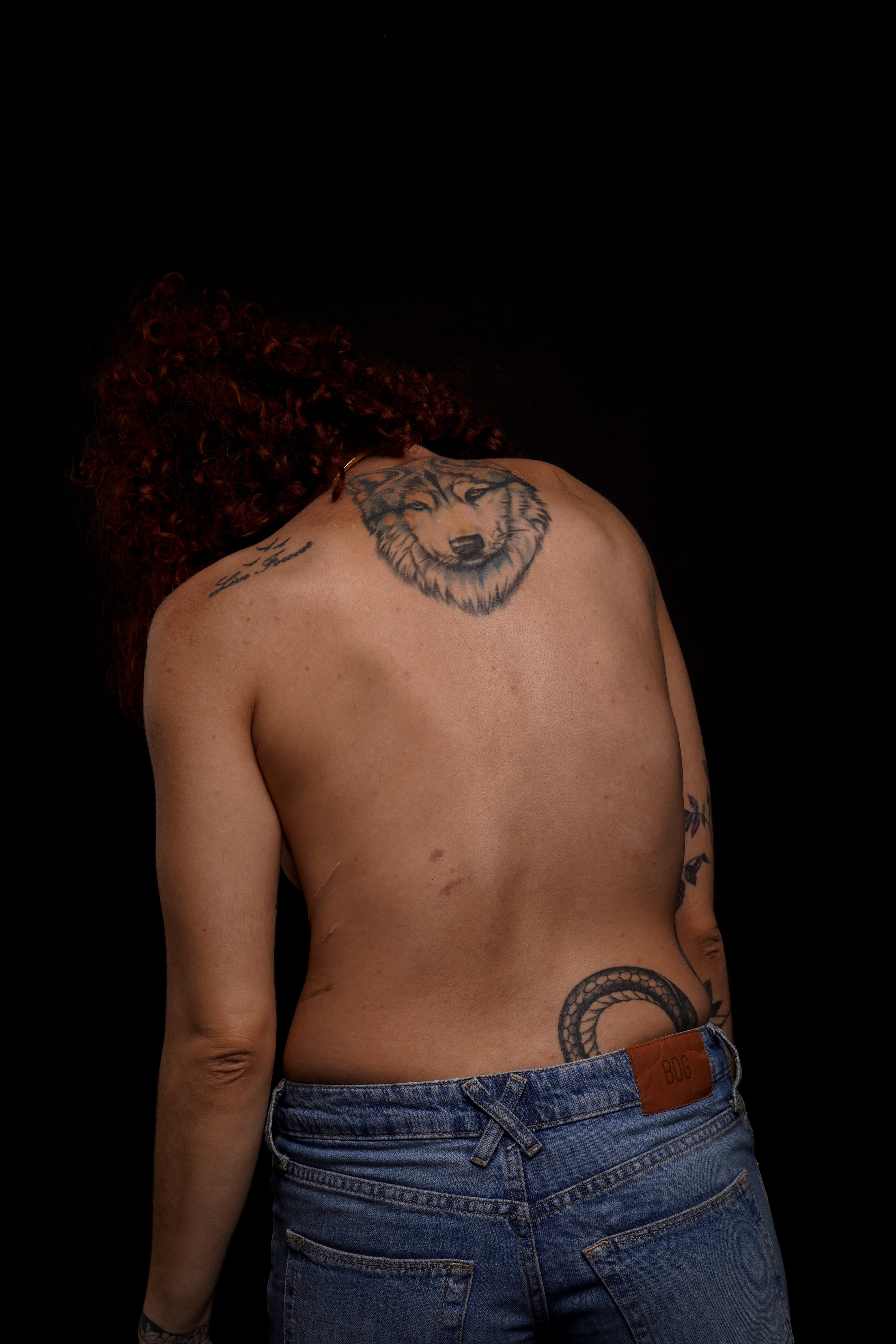
In my practice, I use my spinal deformity—idiopathic scoliosis—to explore imbalances in the female experience. My first project, “Imperfection,” examined body image, consumerism, sexuality, and societal ideals. Currently, I’m focused on The Backbone, investigating the research gaps in relation to female bodies and unpicking the medical myths that have resulted from a long history of misogyny and ignorance. The Backbone aims to spark critical conversations about health, capitalism and gender/sex data gaps. I am interested in how we can use the workings of the female body to inspire a more compassionate and wise society.

As my personal projects are autobiographical, they are separate but naturally intertwined, one leads on from the other. I wanted to use this residency to explore what was next. In my early 20s I explored body image and intimate relationships, in my 30s, after becoming a mother at 27, and diagnosed with ADHD at 33, I am exploring mental and physical health and the misogyny behind the data that informs our social systems. Then I see the next project exploring perimenopause and aging. Therefore, I have used this residency to delve into all things periods, so that I can recognise what my body is doing now and understand what it might be doing in the future.
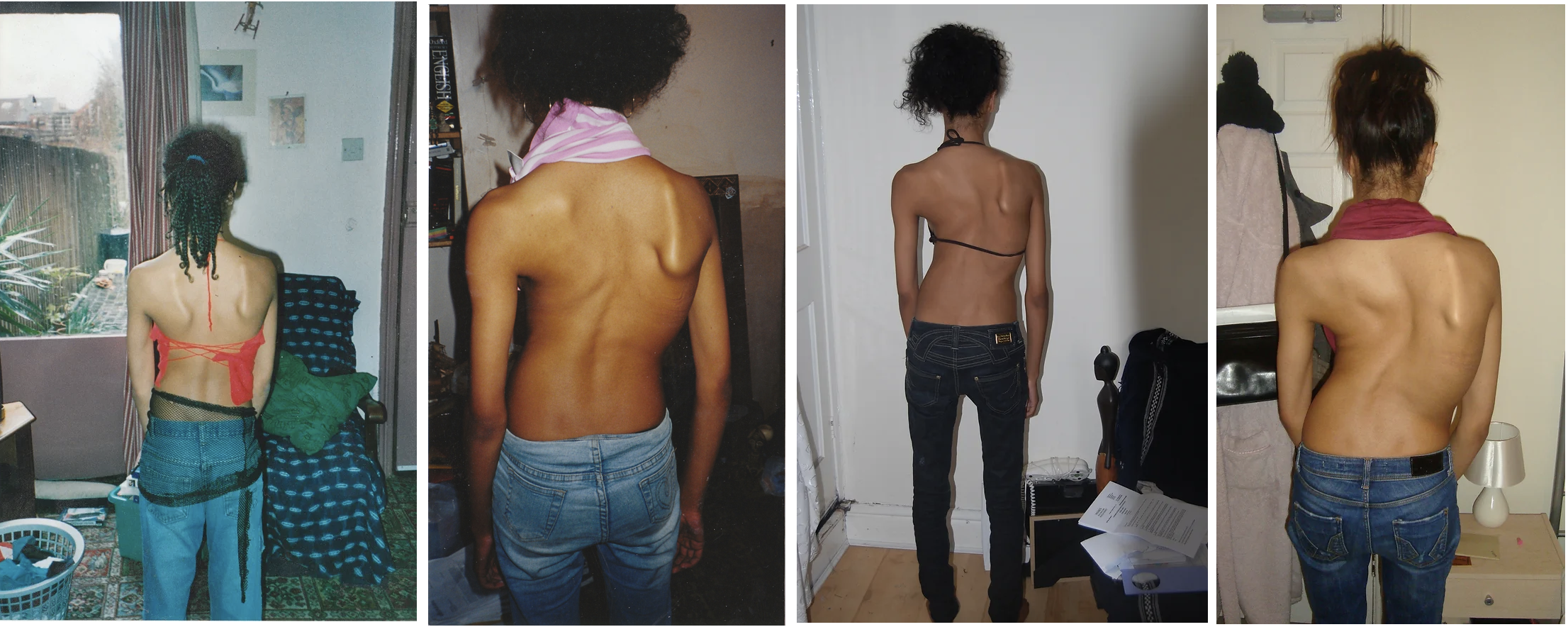
At some point there will hopefully be a visual expression inspired by the reading I have been doing, but for now, here’s some of the brain juice I produced over the last month…
Periods! And things I wish I knew sooner.
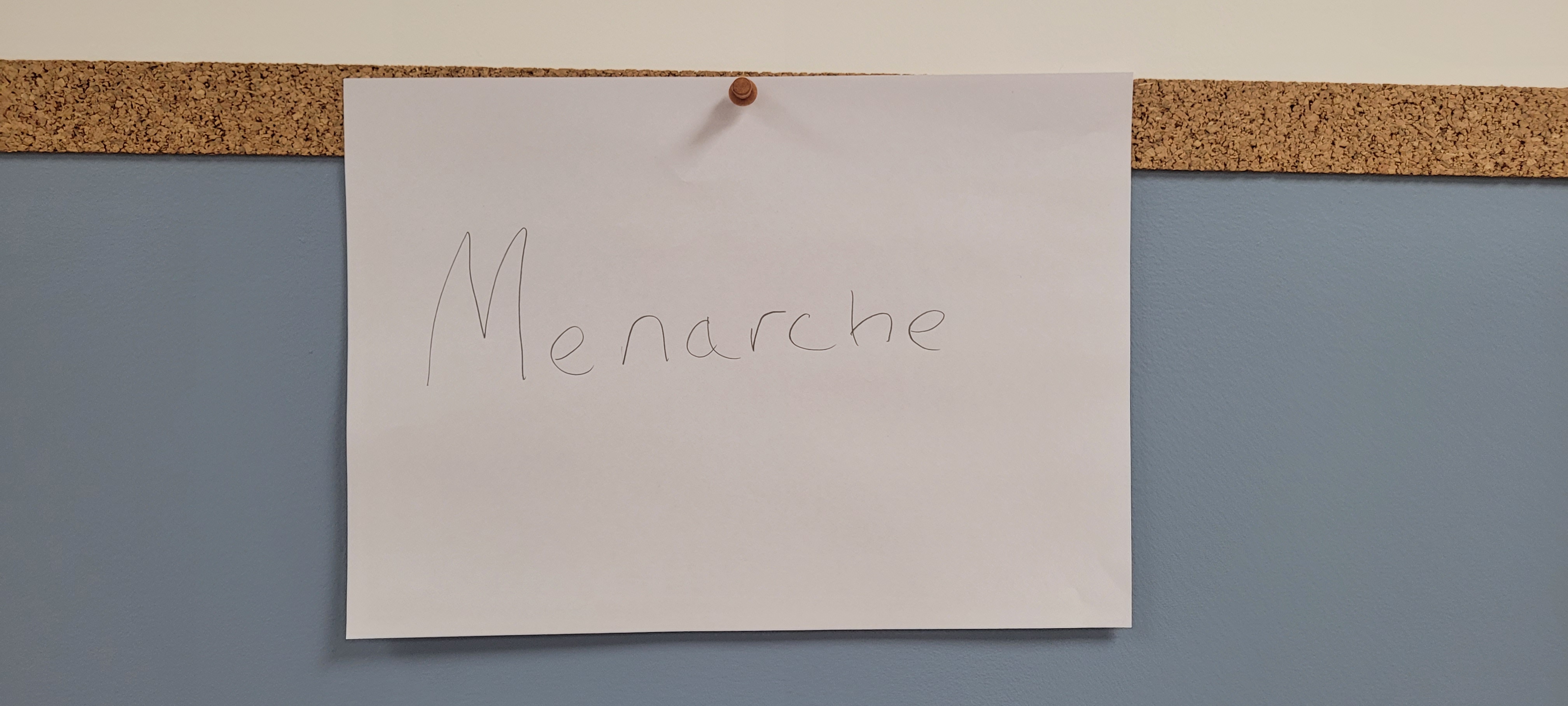
Why am I just learning about this at 34 years old (was my first reaction)—likely closer to perimenopause than menarche? (We’ll get to that in a moment.) I didn’t even know the term “menarche” existed until I picked up Period Power by Maisie Hill during my residency (shoutout to Charlie for the recommendation!). Menarche refers to the first menstrual period. We hear loads about menopause but almost nothing about Menarche?!

Language matters. If we can’t name something, you can’t give it a concept, so it might as well not exist in our understanding. That’s exactly how having a period has felt to me for the past 22 years—an essential part of life that often feels hidden and unacknowledged, yet profoundly shapes every aspect of a menstruator’s existence (can we stop pretending like it doesn’t!). Menarche/perimenarche marks a significant change in a female’s life, hormones flood in and it feels like your whole personality fluctuates from one extreme to the other. Think of the red puberty alarm going off in the film Inside Out 2. When I went through Menarche, fortunately the moment was celebrated but I didn’t have much guidance through, or knowledge about the emotional changes and health issues that were about to colour my whole life, as a result of fluctuating hormonals and hormonal imbalances. Menarche should be just as much a topic of conversation as menopause and thus giving young females an opportunity to prepare, learn about it and know what to expect when that time presents itself.
I was also amazed to learn more about the roles of oestrogen and progesterone. Each ruling different phases of the cycle and requiring you to eat, sleep and act differently, depending on who’s in charge that week.
Research indicates that progesterone helps counteract oestrogen’s effects on breast and endometrial tissues—potentially lowering the risk of certain hormone-related cancers. It also supports your heart, bones, skin, and even has a soothing effect. The bottom line? Not ovulating can lead to a lack of this essential hormone, a massive problem! It’s something we should definitely be made aware of before being prescribed contraception that prevents ovulation. Side note- the synthetic Progestin found in some contraception IS NOT THE SAME as the Progesterone your body makes naturally and doesn’t have the same health benefits.
And here’s a fascinating tidbit: Did you know that the contraceptive pill doesn’t just block the benefits of progesterone (the hormone released after ovulation), but can also change who you find attractive? The pill mimics pregnancy, leading your body to prioritise safety. Studies suggest that on the pill, you’re more likely to be attracted to the pheromones of people who are genetically similar to you (in your own tribe). Off the pill, your body instinctively seeks out genetically diverse partners, ensuring a stronger gene pool. So, be careful who you think you are attracted to when you’re on the pill, things might change a bit when you decide to come off it.

Dating whilst having a menstrual cycle, to me, feels like having an angel and a devil on your shoulder and who wins depends on what day of your cycle you’re on. Before doing my research, I had already worked out that my libido increased around ovulation and that I felt more anxious and withdrawn during my luteal phase. However, I was surprised to learn how consistent and predictable my cycle is, in relation to my behavior, eating and sleep patterns, down to the day. Maisie Hill breaks down the menstrual cycle into seasons, which I found incredibly helpful.
Winter starts on the first day you bleed (Day 1 of your period), spring marks the lead up to ovulation, summer is the time around ovulation, and autumn begins when progesterone rises and the lead up to bleeding starts again. The length and timing of each season can vary from person to person. Which is why tracking your cycle can be so eye opening. I carried out my residency over one full cycle, I was reading about each of the “seasons” as I experienced them. To my amusement, everything Hill described felt eerily accurate, down to the day. So, we are not as erratic as society makes out, we are pretty predictable!
For example, on day 21, Hill notes that a progesterone peak ushers in Autumn (“the highway to hell”). This phase can trigger intense reactions, so much so that some women are prescribed medication to cope. And there I was, on day 21, spiraling into an anxious mess because of a false narrative I concocted, that everyone thought I was an annoying fraud—just because a couple of people didn’t like my latest Instagram post! I wouldn’t have even given it a second thought—or at least I wouldn’t have gotten this anxious about it—back on day 19 or 20, before my progesterone peaked.
Hill also suggests prepping for increased hunger in your Autumn phase by stocking up on healthy foods during your Summer (when you’re upbeat and positive), so “you’re not just feasting on hobnobs and crisps” when those cravings kick in. Well, I was literally dunking hobnobs into a cup of tea whilst reading this, in my autumn and I cracked up laughing at the bizarre accuracy, down to the brand of biscuit. Coincidence, yes. but a funny reminder of how powerful our hormones can be.

I decided to track my cycle, I noted down what I was feeling and what my body felt in the mood for each day. So that during each cycle I can be more aware of what my hormones will be doing on any given day. Now that I am more aware of what my body is doing, maybe I will book that “all you can eat” buffet on day 21, and get on top of my inbox on day 23, plan that date for day 14, and hide away and dream up creative ideas on day 2. Don’t get me wrong, it’s not about getting too fixated on what you do when. Tracking your cycle just gives you a guide of what is most beneficial for you. Your own internal weather forecast, if you will. E.g. You can still go to the park when it’s raining but if you know the weather beforehand you can make sure you pack an umbrella or choose to meet your friend in the café instead.
Moving through the seasons
As I continued to track my cycle and really listen to my body’s wisdom, I saw that each season has its magic, and when I know where my energy is best directed, my harvests can be more fruitful, bringing increased insights and productivity. Most motivational books written by men do not take into account fluctuating hormones, caring responsibilities and the unpaid emotional and physical labour many women still have to do. Any life strategy or path to success that does not take into consideration the menstrual cycle, is simply not relevant for most females and is missing out on an incredible life hack. Now, don’t get me wrong; tracking my cycle doesn’t magically erase feelings of anxiety, sadness, horniness, or impulsivity. What it does do though, is empower me to make more intentional choices and channel my energy more effectively. I’ve learnt that I don’t have to be “on” all the time. Let’s face it— the traditional 9 to 5 wasn’t designed with the intricate female cycle in mind, In fact all of our structures and ways or working have been designed based on male data and the masculine default (the assumption that the male experience is synonymous with the human experience), meaning workplaces often overlook the brilliance and wisdom that comes out of syncing with our rhythms and natural ways of being.


Winter
Winter is the designated time for intention-setting and clearing out the old—think of it as a cozy hibernation, although this may not be how many of us usually view this time of the month. If you push too hard during this time, it can leave you feeling exhausted, and in my case ill (migraines). This was the first cycle in a while that I actually allowed myself to rest and surrender in my winter. As a result it became a really connected and insightful time. I stopped feeling like there was something wrong with me and noticed all the things I could change in my environment and life. Anger or frustration here always isn’t irrational. We are just no longer clouded by oestrogen and can address issues that have been there throughout our whole cycle, that we haven’t payed attention to, until now. Our body is making us aware of what needs to change, so this is the time to sit with our emotions and really listen. If you’re the partner of someone who menstruates, don’t dismiss their outbursts here as “hormonal nonsense”, their body is just no longer letting them bite their tongue and their vision and intuition has been dialled all the way up. The message may not be delivered with unicorns and rainbows but the message is the message! We are clearing the ground and preserving our energy so we can plant new seeds in spring, with better foresight on what will work and what won’t.
When winter creeps in, it offers space for me to truly delve into the heart of my projects. Sure, my email responses might be slower than a sloth on vacation, but I’m connecting ideas and gathering insights that lay a solid foundation for the more dynamic seasons ahead. The key here is to actually pause and rest, it’s the most productive thing you can do.
Spring
Come spring, I’m supposed to feel invigorated and ready to conquer the world again—but instead, I often find myself tired and frustrated. Maisie Hill points out that sleeping can become more elusive in spring and summer, as oestrogen makes us want to be up and about (and maybe a little too confident). Plus, if you have intimacy issues, you might find yourself dreading the build-up to summer when everyone starts noticing you—and your renewed sexual desire. As I reflected on this, it hit me: single motherhood had drained a lot of the joy out of these seasons for me. I have been carrying a mental, physical and financial load that was never meant to be held by one person. So, when spring comes around, I am aware that I can’t just go off and have fun and act on my spontaneous spirit (as much as I would love to). I’ve got shit to do. I have also become a light sleeper, after years of sleep deprivation from raising a child who thinks sleep is an abstract concept. I also scroll on my phone late into the night— because let’s be honest, bedtime is the only time nobody needs anything from me and nothing needs doing, so I can zone out and share memes without guilt.
But I decided to swap scrolling for reading in bed, and lo and behold! I’m sleeping better and waking up feeling less anxious or depressed. Still, the approach of summer brings its own set of emotions. I can feel the desire to date resurfacing again, but the lack of time and options can be frustrating — great, another season to remind me of how single I am! Here I am, bursting with energy but having no one safe to share it with. My ovaries want a hot girl summer that I just don’t have the time for!
Summer
Summer arrives and the anxieties of spring are forgotten for a few days. I feel flirty, energised and I am not afraid to go after what I want. I want to make plans, attend events and catch up with friends. Childcare arrangements magically align this month (big up nanny), so I dive into a couple of exciting dates. Sure, I have a great time, as my confidence peaks. But come the aftermath of those escapades, reality hits, as the end of summer approaches and oestrogen starts to decline. It’s like being drunk and then waking up to thoughts along the lines of “what the hell did I do last night” and “why did I commit to these plans when winter is around the corner”. Suddenly, the fun I had gets overshadowed by the reminder that there’s no one there to support me as I descend into my autumn. My body expects pregnancy and the companionship of a mate to bring me food and warmth, yet I end up self-caring into a bubble of denial, convincing myself that I’m utterly fine alone, when, truthfully, I would quite like a partner to snuggle up to now.
Autumn
Then, just as the leaves start to turn, I find myself enjoying the start of autumn. I feel more grounded and back to reality—no longer swept away by oestrogen or progesterone, but instead enjoying a balanced state (for now). As day 21 rolls around and progesterone spikes, I suddenly know who I want around me and who I don’t. As I head into my winter, my body wants me to get rid of anything that does not make me feel safe or supported (my body thinks a baby could be brewing). The cravings start to kick in. Just a little bit of emotional eating, with a side of “what was I thinking last week?”
However, this is also when I find the energy to tackle that inbox and tidy up my life—thank you, progesterone! My body is preparing for winter, making autumn an ideal time to tie up loose ends and check off that to-do list before the cozy introspection of winter arrives again, when I will want nothing more than to nest in bed and ignore my inboxes.
I also found that during peak progesterone and peak oestrogen times, exercising can really help (different types of exercise are more beneficial at different times in your cycle btw). It just takes the edge off for me and along with a healthy diet, it helps me feeling more balanced and my emotions more manageable.
Conclusion
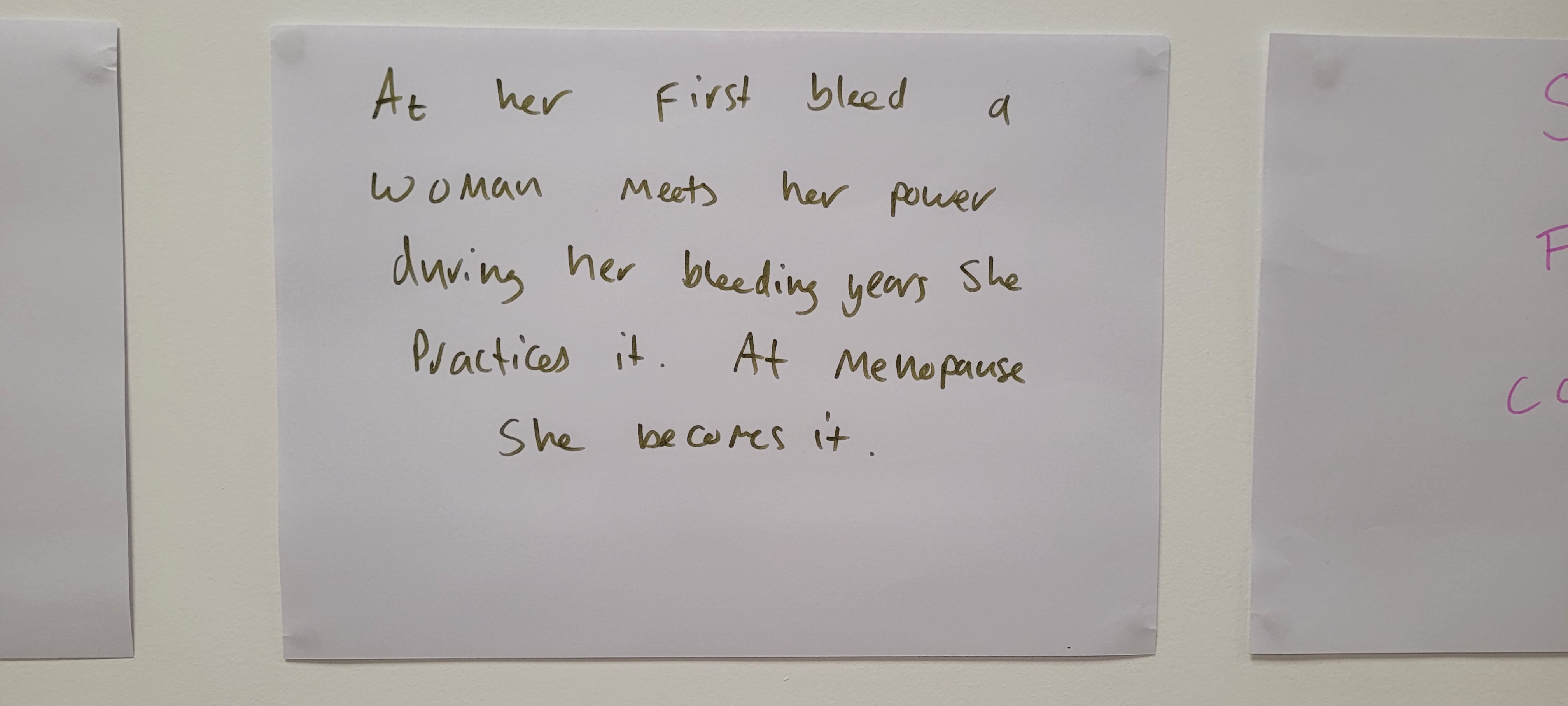
The menstrual cycle is a powerful tool for understanding our emotional states, physical needs, and overall health. As I delve into the simple complexities of female biology, it’s clear that we need to change the narrative. Contrary to popular belief, we are not irrational, complicated creatures. In fact, we can be quite straightforward and predictable—once you are aware of the science behind it all. Understanding the menstrual cycle is essential for creating a healthier, more balanced way of being and relating to people that menstruate.
Monitoring and working with natures many cycles has been at the heart of human survival and “progression”. There’s a treasure trove of magic waiting to be found in honouring the “do’s and don’ts” of each season we experience. It would be great to reclaim the menstrual cycle as a source of empowerment rather than a bloody inconvenience! Females should not be destined to endure a life of pain, struggle and confusion. For far too long female biology has been weaponized against us and used as a tool to forward patriarchal agendas. This shouldn’t make us shy away from investigating female biology and noticing the differences to male biology. We just need an honest, non-biased and well-funded look at it. Embracing female biological realities can help us thrive, fostering a society that values rest, diversity, and the unique beauty found in going with the tides, not against them.
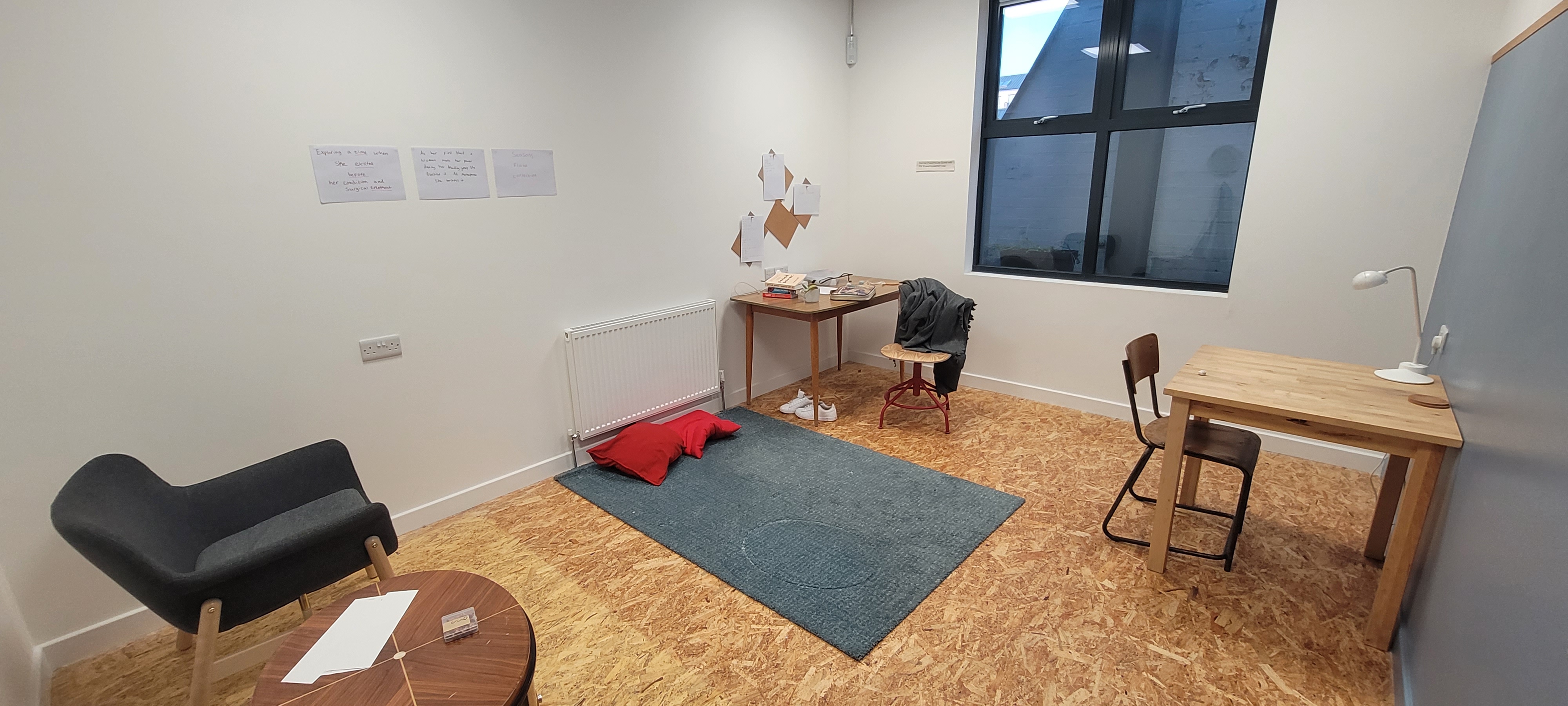
Thank you Talking Birds for giving me the time and space to explore and dream!
 Words from the Birds