Kritika Agarwal reflects on their recent Hatching Residency at The Nest
At the start of my residency, I aimed to explore South Asian queer themes through bold textiles and installation. Growing up under Section 377, with no queer representation and little dialogue around queerness, I wanted to create something that would fill the silence of my childhood.
As I engaged in research and conversations with peers, my project evolved from a loud statement to a softer, more intimate experience. I focused on subtle gestures, quiet symbols, and coded language familiar to many in the queer community. The final installation was a small room, functioning as a personal archive filled with “Easter eggs” — hidden references and fragments of queer experience through an Indian lens.
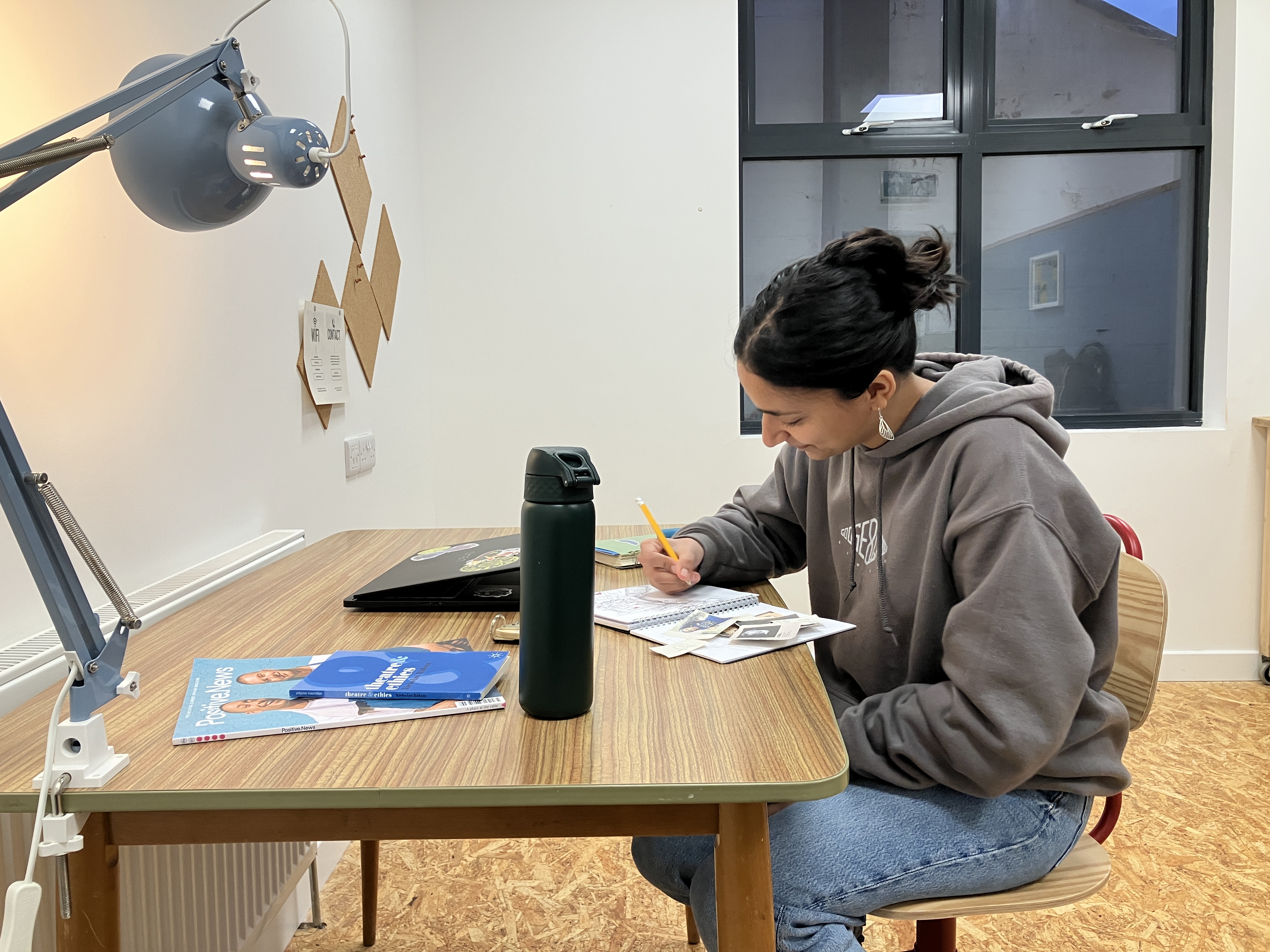
Creating Space with Intention
My goal was to create a space for South Asian queer individuals to see themselves. Initially, I thought this space needed to be overt, but I soon realised that subtlety holds its own truth. Many of us learned to navigate our identities in hidden ways. My installation reflected that reality more accurately than a loud declaration could.
Gathering Memories
A meaningful part of the residency was collecting memories—mine and those shared by others. We discussed growing up in environments where queerness was never acknowledged and the challenges of navigating identity without the right words. These stories influenced the installation’s textures, incorporating everyday objects and symbols only recognisable to those who know how to interpret them.

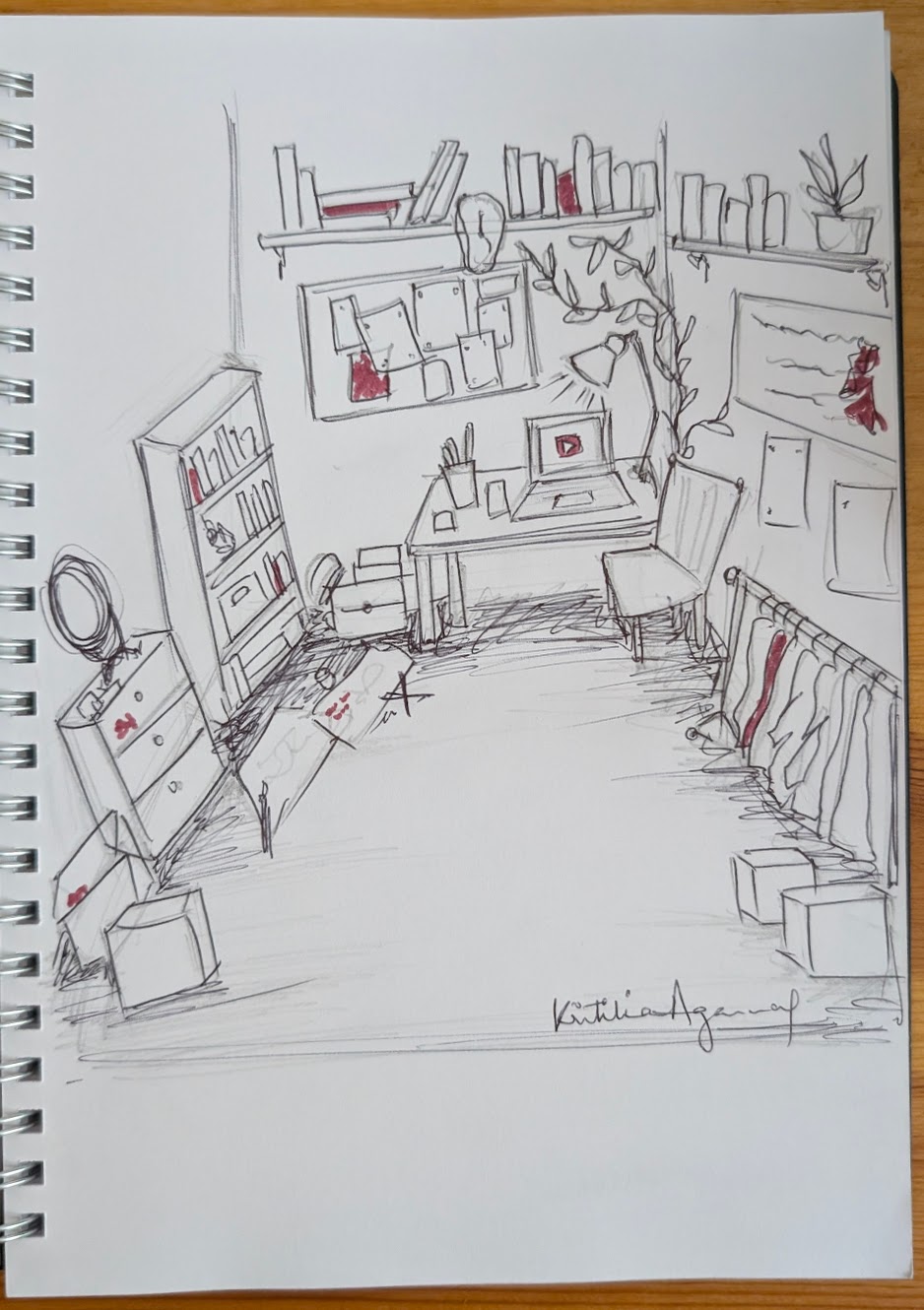

Embracing Subtlety
The idea of a “treasure hunt” became central to the work, with small, nearly invisible gestures that echoed childhood playfulness and the coded communication among South Asian queer individuals. I discovered that subtlety can be radical, requiring an understanding on its own terms. While I initially aimed to use textiles, the project organically evolved into a mixed-media installation that prioritised emotion and memory over grand statements.
Lessons Learned
This residency taught me that exploring South Asian queer identity doesn’t require volume to be impactful. I became drawn to layers, storytelling, and hidden meanings. Recognising the value of deviation in my creative process highlighted how unexpected paths can lead to the most authentic work.
Looking Ahead
As I conclude this residency, I have more questions than answers, which feels promising. I want to continue exploring how to archive queer South Asian memory, create spaces of belonging, and honour the complexities of our identities.
Gratitude to Talking Birds
This exploration was made possible by Talking Birds, who provided a supportive environment for experimentation and authentic engagement with my research. Their trust and openness allowed the work to evolve naturally, and I am deeply grateful for the experience.
 Words from the Birds