Reporting on The Future Works Event

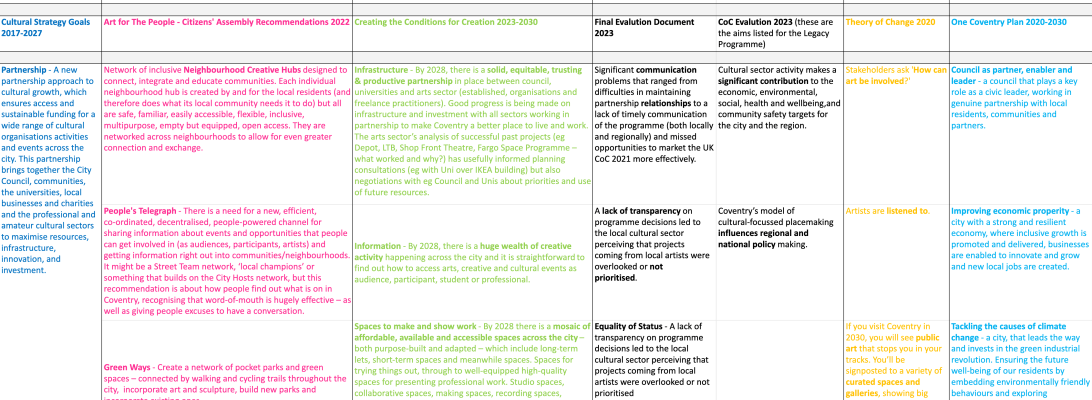
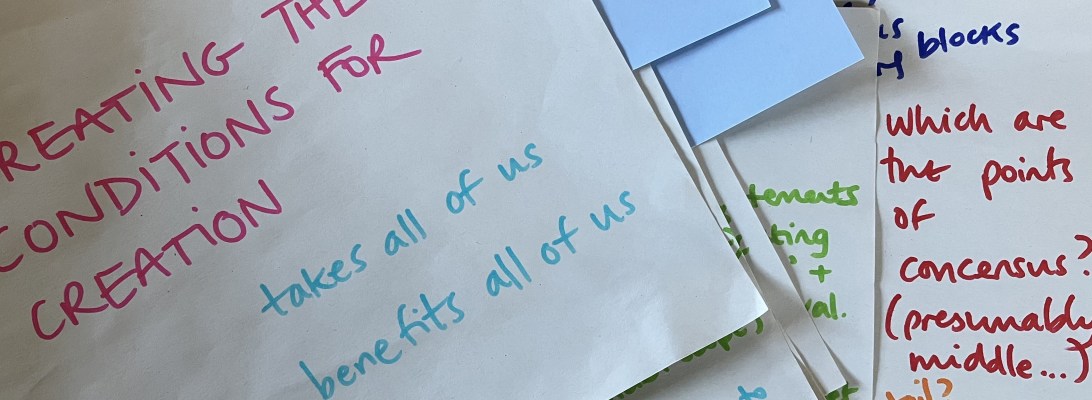
As followers of this blog will know, the F13 network – a broad coalition of independent artists and arts organisations, freelance creative practitioners and other interested parties convened by Talking Birds – was commissioned (on the back of its ‘Creating the Conditions for Creation‘ draft action plan) to develop and produce an event (The Future Works) to bring the creative sector back together, to move forwards after the turbulence of the last few years. (This process has been pretty extensively blogged, so if you need a catch up, maybe best to start here.)

Continue reading

Time to find out if the future works

A Cultural Strategy sounds boring. And sometimes it is boring. But a good Cultural Strategy can tell a compelling story of a place – of its values and ambitions. Of its hopes and dreams. Of its direction of travel.

Some people think that our city has stalled. But we don’t think that’s true – and so we’ve invited artists and decision-makers to gather and re-set: let’s collectively re-imagine our story and work out how we want to tell it.

Continue reading

Arts Covolution

Guest post by Stella Backhouse, a writer based in Coventry. This post was originally published in issue #6 of Action Rayz zine, curated by Jazz Moreton & Alan Van Wijgerden. Details of Action Rayz’ regular film club screenings can be found here.

After the very public collapse of City of Culture Trust and the promised ‘legacy’ of Coventry’s year as UK City of Culture well and truly on the scrapheap, where does the city’s arts scene go from here?

Continue reading

A report on Co-Making Futures at Herbert Art Gallery & Museum

On 3rd July 2023 a seminar was hosted at Herbert Art Gallery & Museum, entitled Co-making Futures: How Do Universities and Cultural Organisations Create Equitable Cities? The event was organised by ArtSpaceCity, a research group based in the Centre for Postdigital Cultures at Coventry University, a group which hosts “projects that explore how publicly funded cultural institutions can contribute to the making of more democratic cities”.

Continue reading