There’s been some great and inspiring outbreaks of kindness all over the internet this week, demonstrating just how amazingly selfless and supportive the arts sector is. So many brilliant people and ideas, giving us a glimpse of how humans can shine in a crisis, how much better we are when we work together, and how this worrying time could actually sow the seeds of – or even prototype – a better world.
Continue readingcoventry
Discursive Ability
Jazz Moreton reflects on her Nest Residency
Having graduated with First Class Honours in Fine Art from the University of Gloucestershire in 2017, I spent years finding my feet and doing little bits of (mainly unpaid) work in the arts. After moving back to Warwickshire, I began to network with artists in Coventry. When somebody mentioned the Nest residency in a meeting, I knew that I, as an artist with multiple disabilities, had to go for it!
My residency was jointly supported by Talking Birds, Coventry Artspace, Coventry Biennial, and Disability Arts Shropshire, and would lead to whatever my outcome might be being exhibited in Coventry Biennial of Contemporary Art 2019.
I proposed that I, as an artist who had never worked with or edited sound, would create a sound-based piece that showcased the abilities that people with disabilities have, in the face of a government, and a wider society, that discriminates against us in many ways (my bugbear since graduation was that people still often assumed that I was stupid due to my neurogenic stammer and dysarthric speech) and, after a nerve-wracking interview with a gatekeeper-esque panel of arts professionals (who, upon getting to know them throughout my residency, turned out to be some of the most delightful people I’ve had the chance to work with), I was thrilled to receive the news that I had been selected.
My piece, which I titled ‘Discursive Ability’ at the point when somebody asked me what it was called for an interim exhibition, was my first proper socially-engaged work. Making it involved me inviting people that I either knew personally or had found through networking to my studio or going to public venues, workplaces, and houses and recording one-to-one conversations about their experiences as people that have disabilities.
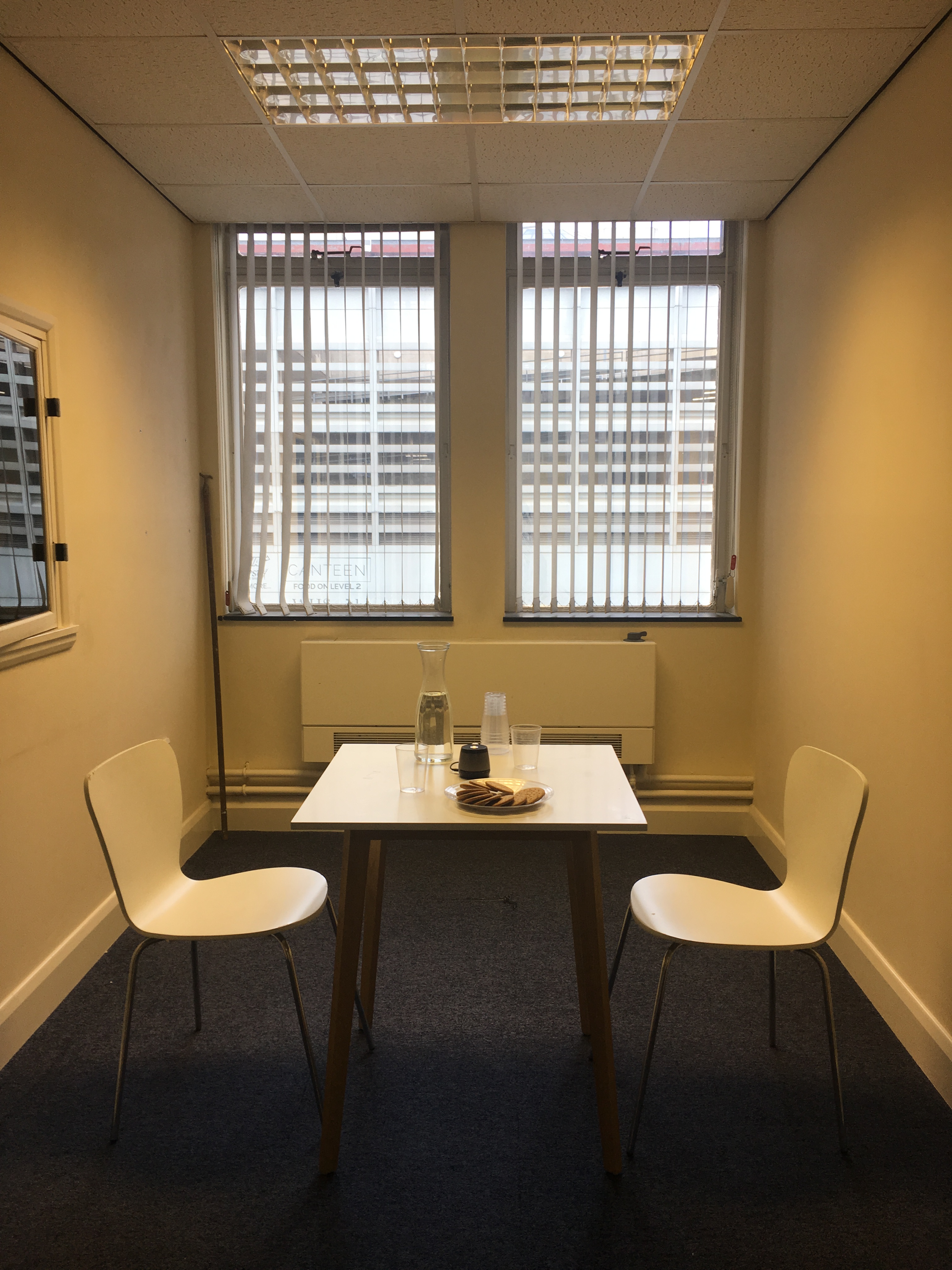 I have lived with multiple disabilities caused by a ‘massive’ stroke when I was thirteen, and I have faced a huge amount of discrimination in most situations. However, it was easy to feel saddened, shocked, appalled by the discrimination- and even abuse- that other people told me, during our recorded conversations, that they had suffered, and do suffer, week in, week out, in Coventry. It is absolutely vital to remember that the issue of Disability Discrimination, inequality, and abuse exists in every locality across the country if not the world, and the sample of Coventry people that I selected were mostly not connected (apart from in the respect that they all knew me). It’s a bit sad that it takes an artist to start to talk about this, rather than world leaders, but there we are.
After recording a long series of fascinating conversations, I had the huge task of editing them onto one soundtrack (which took about ten times longer than holding all the conversations). Thankfully, Derek of Talking Birds is a sound-editing pro (amongst his other talents), and he was able to offer really useful advice, such as switching to a different piece of software (it’s lucky I’m a fast learner)!
It was fantastic to have a studio space that I could use for up to eight hours a day (based on bus timetables) to edit in. At the time, I was living on a narrowboat and didn’t have facilities (or, in fact, electricity and broadband) to make any sort of digital work, so the Nest enabled me to work in a way that I otherwise would not have had the chance to.
I showed the final version of ‘Discursive Ability’ in Coventry Biennial of Contemporary Art, which was my first major exhibition. Having my audio work displayed in ‘the Row’ has led to other opportunities, and I am currently working on an engagement project for the Midlands Arts Centre, for which I was head-hunted after their curator heard the work that I made in residence during the exhibition.
I’ve also been working really hard on scoping out other opportunities, and I have one or two personal projects at quite a conceptual stage. All I can say is that I will be back!
Jazz Moreton (see Jazz’s AxisWeb profile here!)
‘How fragile time is…’ Chloe Allen reflects on her Nest Residency
I first learned about Talking Birds when my friend told me about her Nest Residency at Eaton House. I decided to look them up online and was pleased to discover that they aim to make residencies more accessible to people with disabilities and conditions like myself. I graduated from Coventry University in 2018 with an MA in Contemporary Arts Practice and, until my Nest Residency began, hadn’t had access to a space to be able to make work for a whole year – so I knew that this would be a perfect opportunity for me and was so pleased when my application was accepted. My residency began in December 2019 and finished in February 2020, during this time I was able to further explore the effects that Narcolepsy has on my life. In 2012 I was diagnosed with the chronic sleep condition Narcolepsy, this causes me to experience Excessive Daytime Sleepiness and so I can have a sleep attack at any time anywhere. Due to my constant fatigue I often don’t leave the house for weeks at a time and so to have a work space away from home was a great motivation for me to actually get out of bed because I knew I had the chance to actually make work again. During my residency I felt content in the knowledge that I could take naps and not be disturbed, I was safe inside the studio space, I wouldn’t be in anybody’s way, taking naps allowed me to gain just that little bit more energy to then continue to make work once I’d woken up.
This residency has allowed me to further explore my ideas in relation to time being wasted due to Narcolepsy. For the past 5 years or so I had often used raising awareness for Narcolepsy as the main idea for my work but once I had graduated this all came to a sudden halt. Being in a studio space has allowed me to spread my work out across the floor and experiment with different ideas, having this space gave me the motivation to push myself further with my work thus I created 366 clay circle ‘time tokens’, had I not had the studio space I wouldn’t have been able to do this because creating something like that isn’t too easy on a cramped bedroom floor!
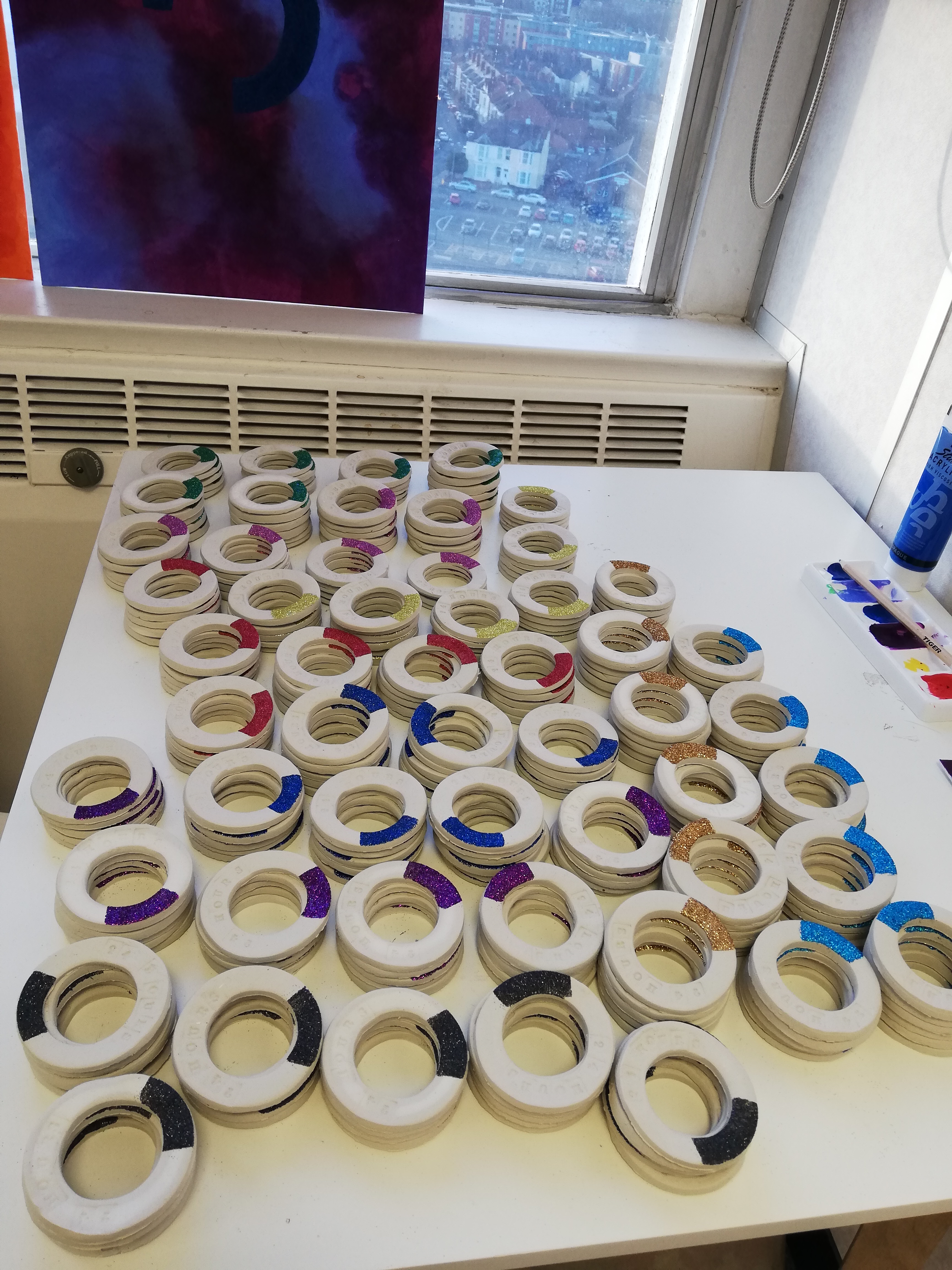
To begin I started creating work in my comfort zone of acrylic on canvas, I’ve often used text art in my previous works and so knew that this would be something that I’d be pleased with aesthetically. I worked on canvas boards and the pieces were relatively small, after reflecting on this I decided that I wanted to make work on a larger scale especially since I’d got the space in the studio and so I got some plastic sheeting and bought some clay. The image of a circle was at the forefront of my mind, based on a clock. I began by creating rings from the clay with circle cutters, then cut segments from these circles based on how much time I’d wasted napping, I then used metal letter stamps to press words in to the segments, the words were the things I’d missed out on by napping e.g. family dinners, however, despite these turning out well I knew that I still wasn’t entirely achieving what I wanted. I researched into artists that created work based around time and came across Alyson Provax, her works in ‘Time Wasting Experiment’ really inspired me, she would state how many minutes were wasted and what the time was being wasted on. I could time every single nap I’d taken but because of my condition I don’t always get to choose when I nap and sometimes I don’t even know that I have napped – it’s sometimes hard for me to tell the difference between my dreams and reality because I nap do frequently. Narcolepsy affects me all day every day so I decided that I would make a circle for every day and instead of cutting out segments I would create segments on the circles with glitter. I created 366 (as 2020 is a leap year) circles, using different coloured glitter for each month. Each circle had ’24 HOURS’ printed on to them, each a token of time that we choose how to spend, the circles weren’t fired and so could very easily break, should they break this will only demonstrate how fragile time is.
The Nest Residency was so valuable to me, I was able to explore ideas, set myself bigger challenges and my importantly create work again. I also found it very useful to be at Eaton House and attend the First Thursday Drop-in, this gave me chance to network with other artists and instead of just explaining about my work as I had previously I also got to show people my studio space to that they could see the processes I was going through to create my work.
“Thought provoking and engaging with a neat pay off.” [Audience Comment]
We had a fantastic time testing the new version of Capsule at the weekend and we are really pleased with how well it works!
We can’t say too much for fear of spoiling it, but see below for some of the great feedback we received, as well as a couple of teaser pictures taken by Andy Moore. But where can you buy tickets? That’s easy… Right here! Public performances start are from this Saturday to Tuesday.
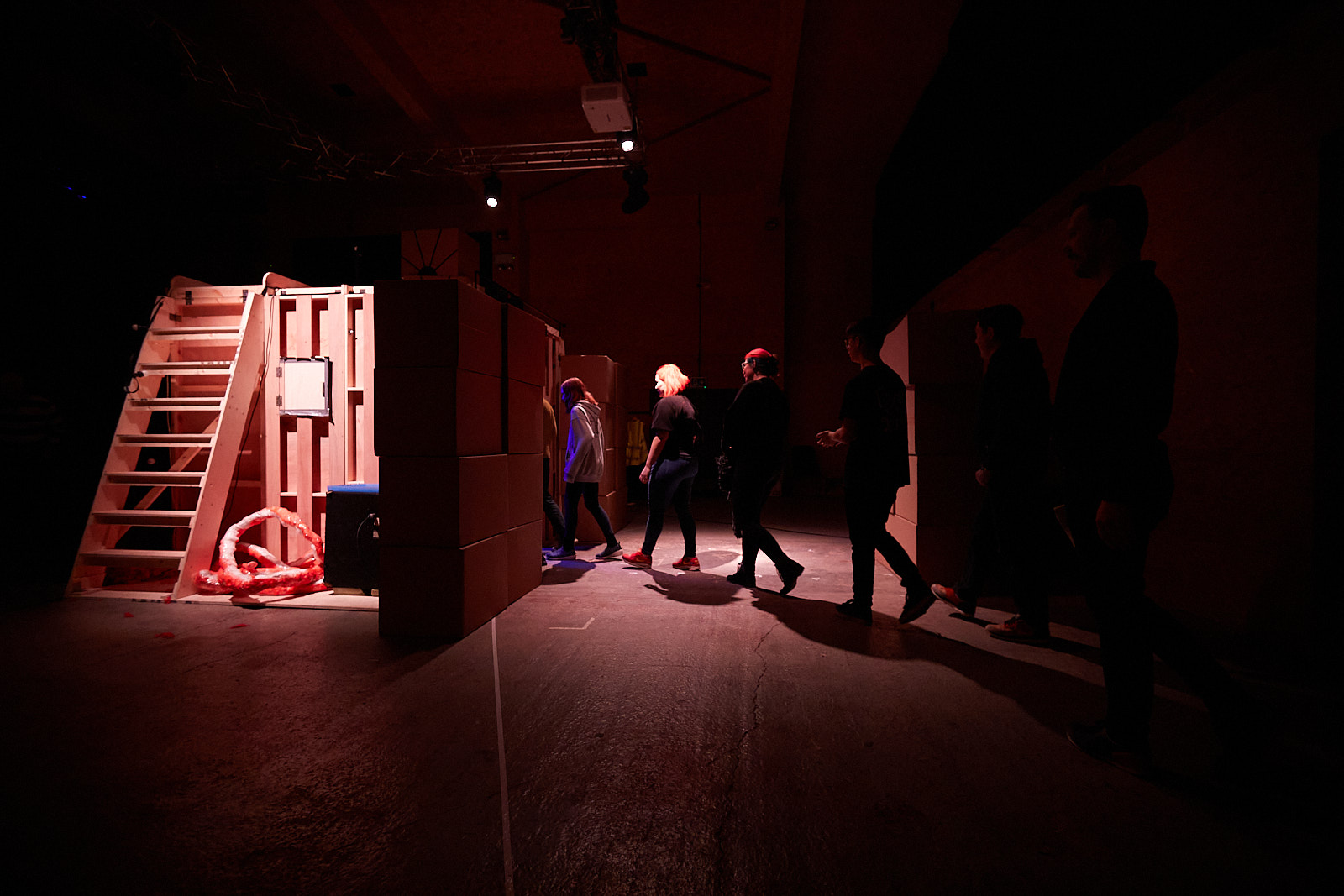
“Really impressed – it was fully immersive!”
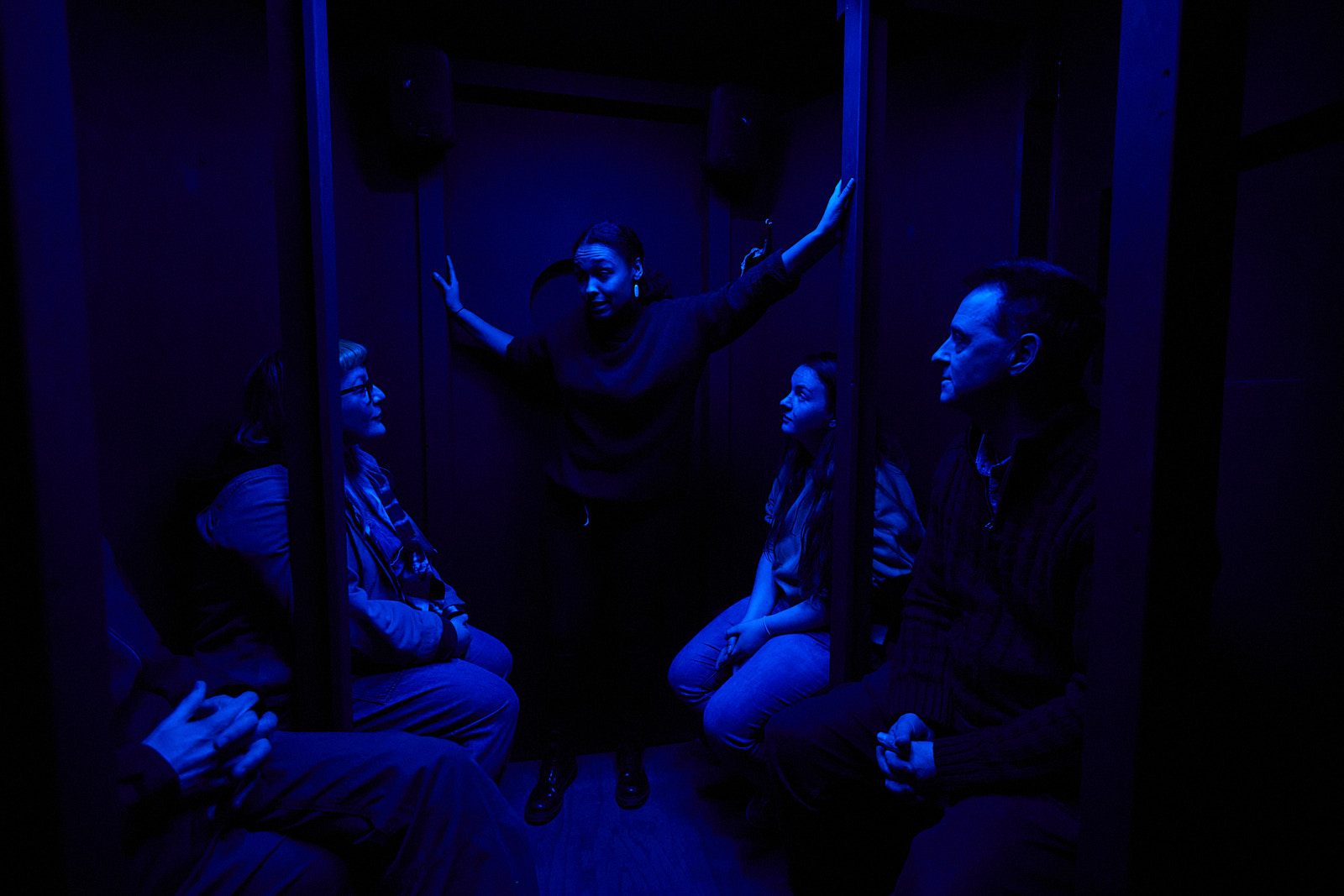
“Fantastic experience! A great way to spend an afternoon…”
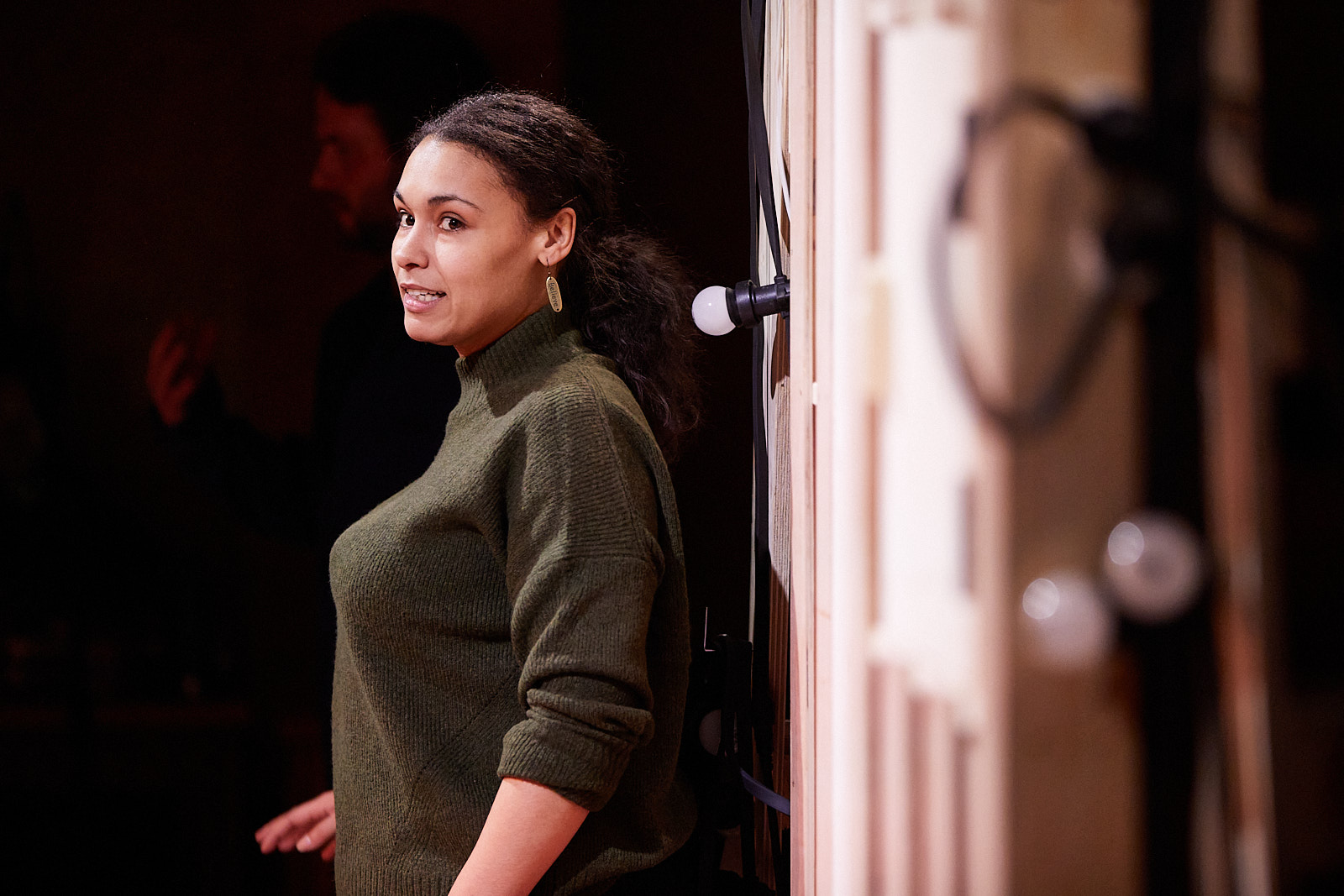
“A unique opportunity for audience.”
What’s inside?
Capsule
The Box, FarGo Village, Coventry, CV1 5ED.
25th-28th January
Join us on an immersive, thrilling voyage over and under water where nothing is quite as it seems. You can expect music, an intimate story and, once you disembark, you’ll want to pass on all that you have learned.
Capsule is a unique experience for 6 people at a time, we’d love for you to be a part of it. See here for tickets and more info!
“A different kind of experience.”
Audiences for Capsule are capped at 6 people at a time, so make sure you get your tickets for your preferred time slot sooner rather than later to avoid disappointment! We can’t wait to share this experience with you, meet us inside…
Cinematica: Artist Rosa Francesca reflects on her Nest Residency visualising brain data.
Artist Rosa Francesca reflects on her Nest Residency:
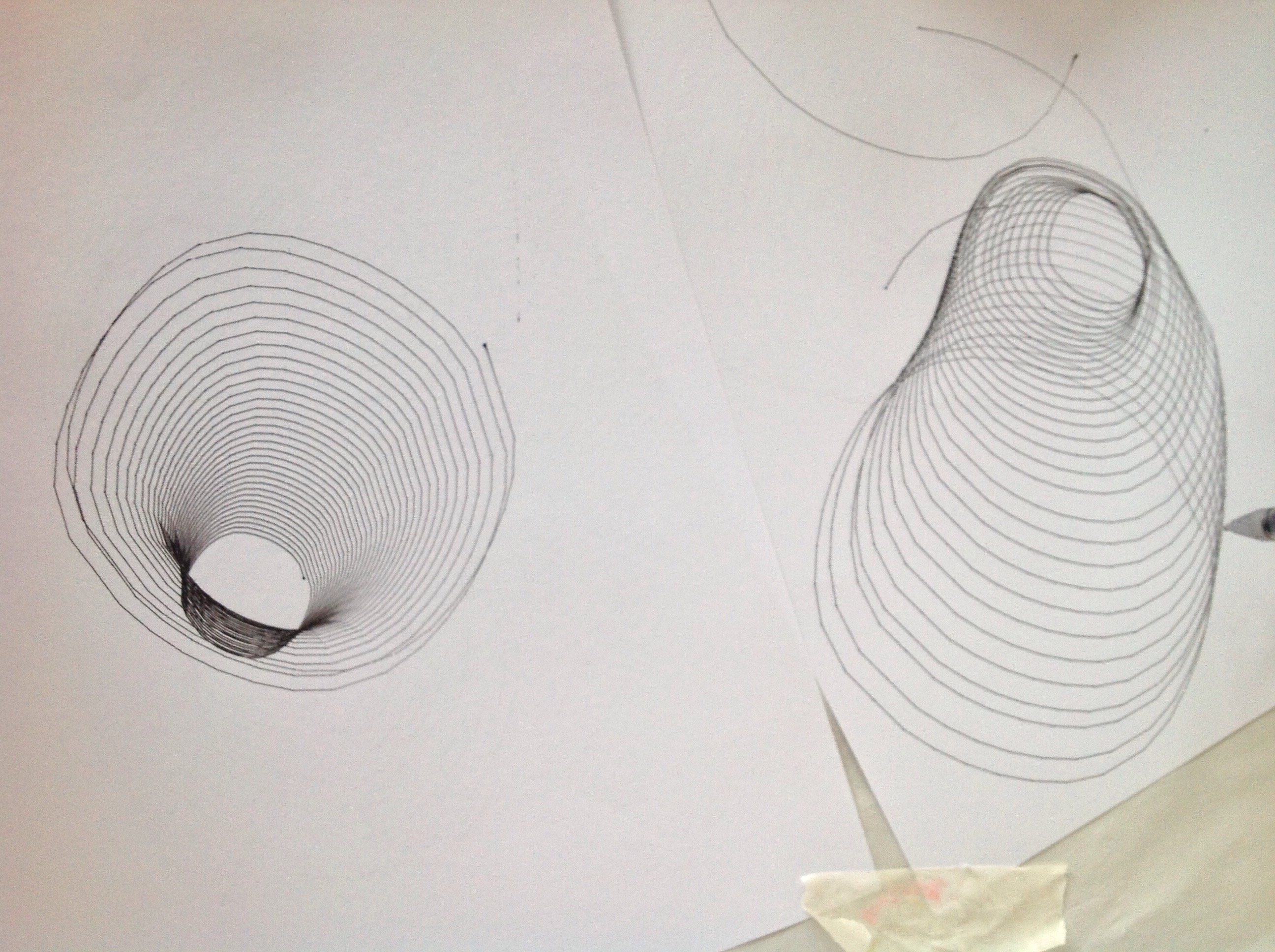
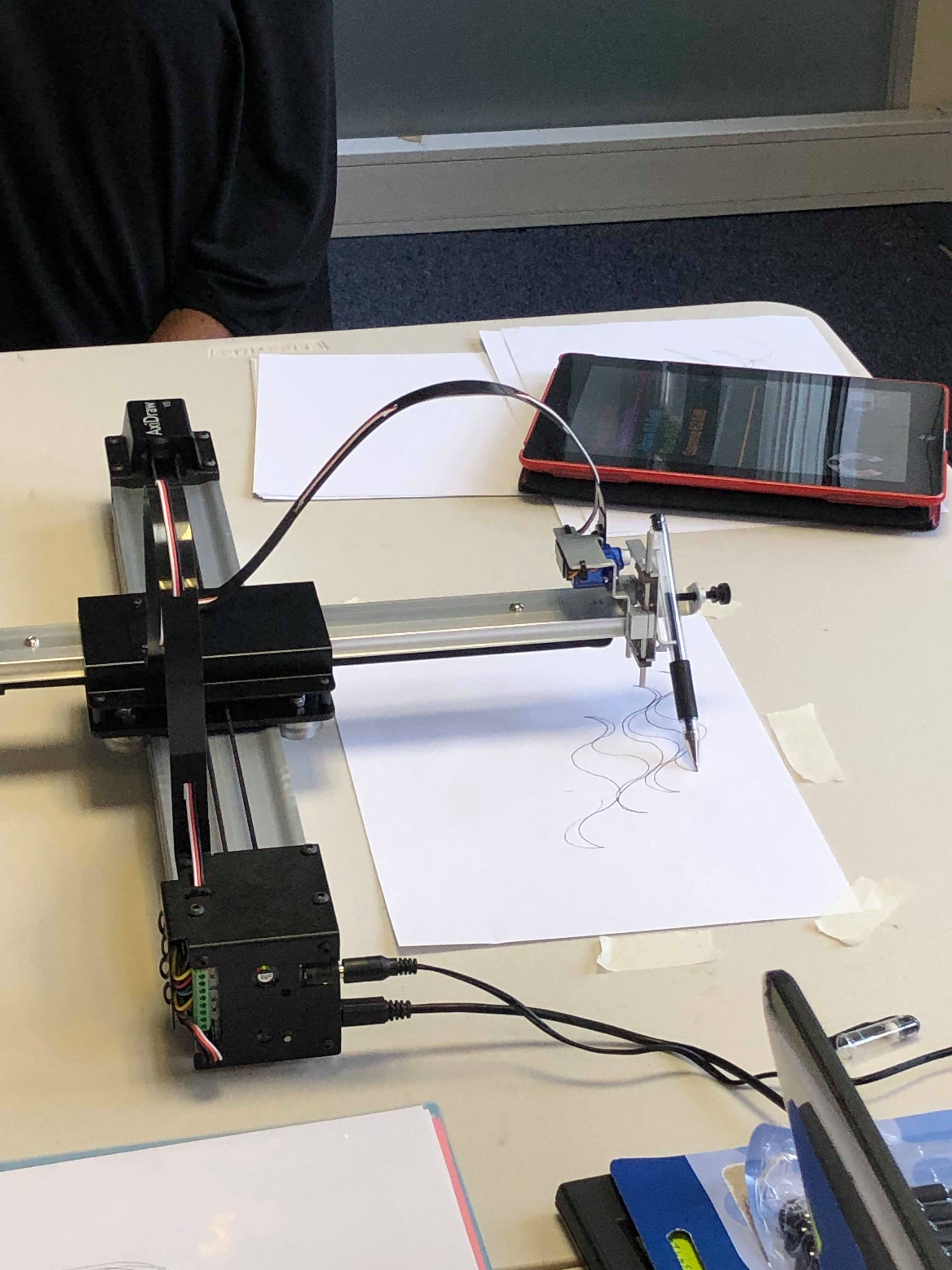
Cinematica is a digital art project using an EEG monitor in conjunction with an XY pen plotter to create visual art. The participant is invited to wear the EEG headset and their brain data will then be sent to the plotter giving it directions in which to draw, producing in the end a ‘mind-controlled’ drawing. This project was developed during a Nest Residency supported by Talking Birds.
I began my residency at the start of June 2019, and I had applied to Talking Birds in particular after hearing about them through the Coventry Biennial open call. I was particularly impressed with their commitment to accessibility, working with disabled artists, and creating environmentally conscious work. I felt that their views aligned with my own, and in particular related to the aims of my work.
I first had the idea for Cinematica after being diagnosed with Tourette Syndrome at the start of 2018. I had suffered from motor tics and a few vocal tics for most of my life, and waited until adulthood to seek diagnosis. Although it no longer affects me as harshly as it did during my teenage years, I am a member of an online community for adults with Tourette Syndrome and can see the debilitating effects on others less fortunate than myself. One man described how he was no longer able to make art because of his motor tics which rendered his hands to unsteady to hold a pen or a paintbrush. Other members suggested that he tried digital art, but he wanted the ability to create a physical drawing. I decided then and there to create a means of physical art creation without the necessity of fine motor skills.
I had recently purchased an EEG monitor for artistic purposes anyway, and thought it might be good to put it to good use alongside a plotter, which is a robot arm that draws with a pen and paper moving along an XY axis. Through my Nest Residency, I was able to get support to purchase a plotter and to learn to manually code it and figure out how to send data from the brain monitor to the plotter to create real life brain drawings.
The residency was invaluable in that it provided me with the physical space to contain the machinery, but also gave me a space away from home where I was able to focus all of my attention on this project. Without time constraints and deadlines I was able to work freely without pressure, but the space still allowed me to stay motivated. Janet provided an incredibly useful sounding board, as did other studio holders in Eaton House where my residency was based. It was a wonderful opportunity to meet other local artists and connect with like-minded individuals, and I hope to stay in touch with some of them through the regular Artspace networking events.
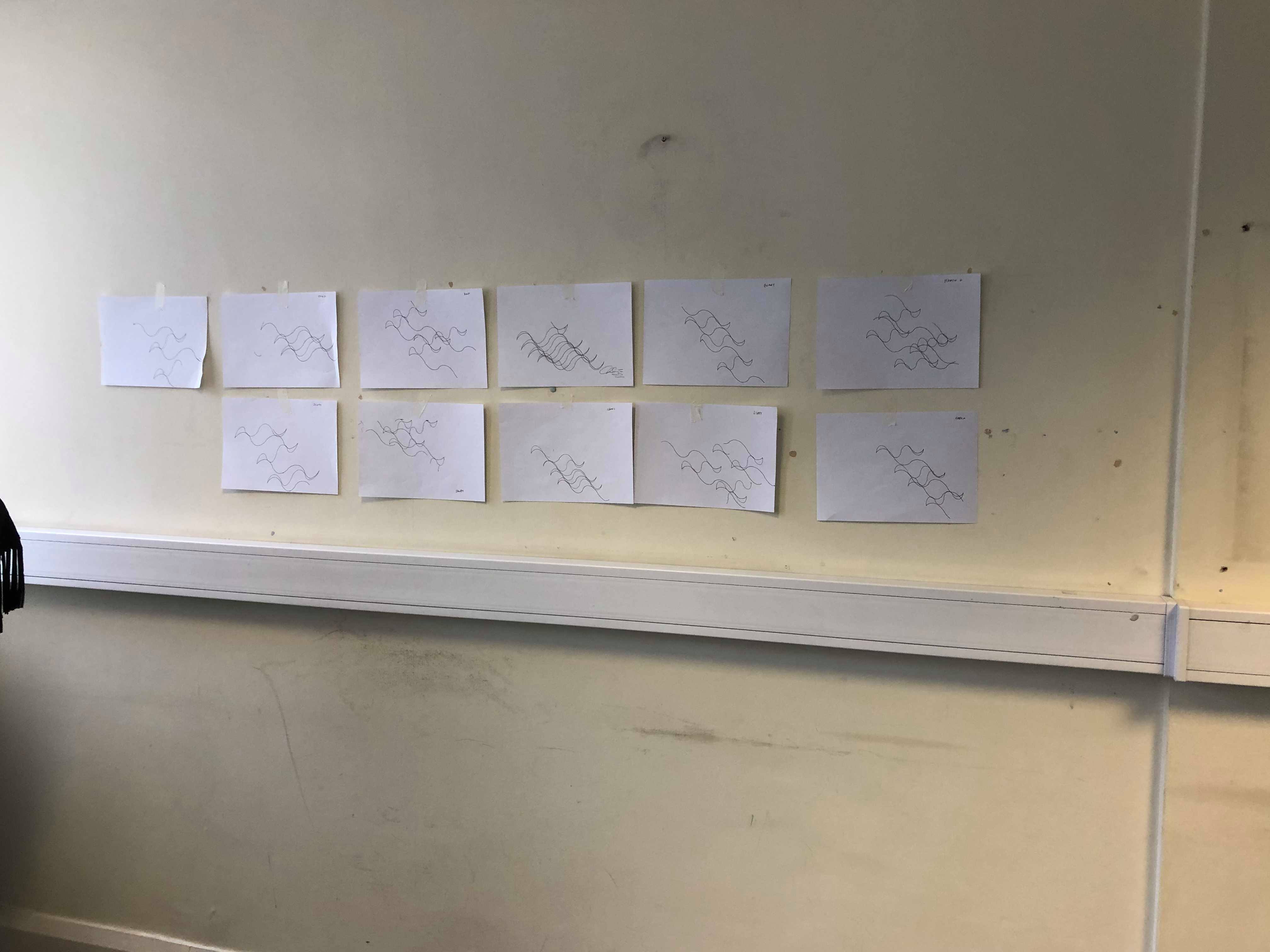
I was able to present a first draft of my project at the Hello Cov exhibition for Artspace studio holders at The Row in Coventry, and the response was overwhelmingly positive. Although at that point the drawings did not look particularly ‘pretty’, it was still fascinating to see how different people’s brains produced different drawings, and allowed me to build a portfolio to compare how the technology worked for different people in different states of mind.
Overall I am incredibly grateful for this residency. I feel that I have achieved more than expected in this project, and can now build on that knowledge even further.
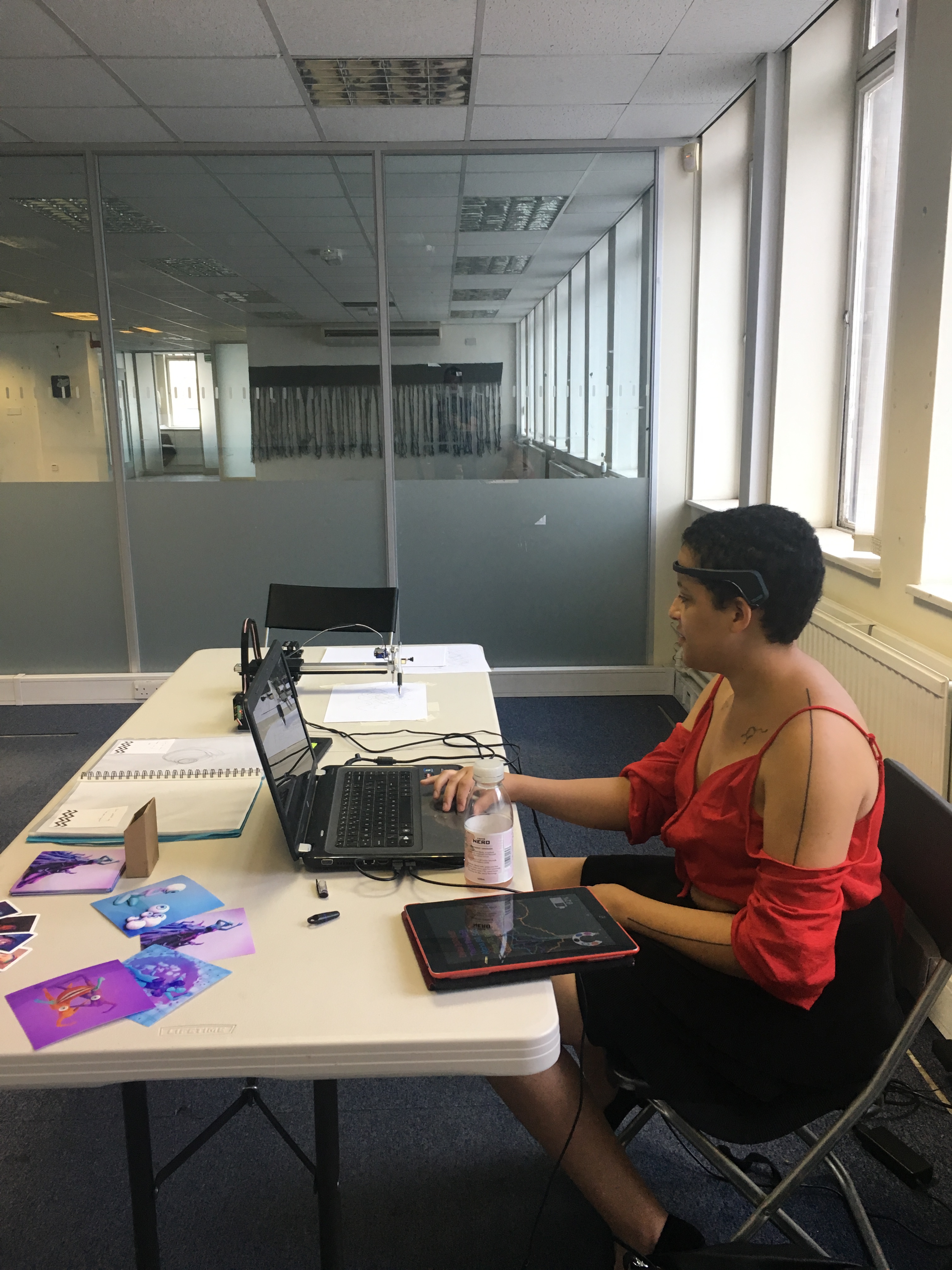
You can follow Rosa on Instagram @rosafrancesca.art
The importance of Space and Place: from Coventry to Volgograd
Guest Blog by Nest Resident Artist Sylvia Theuri, reflecting on her Nest Residency.
I began this residency with the aim of further developing my artwork, in particular a project which focused on engaging with Coventry’s twin cities. The twin city that I was concentrating on during the residency was Coventry’s first twin city; Volgograd. I wanted to create new work outside of my home environment and discuss ideas with other artists. I was especially interested in having discussions with Talking Birds as they had previously created a project around twin cities with their “Twin Story” project.
The residency gave me space to think, which is so vital in being able to create interesting and insightful artwork. I was also able to spread out in the studio space, rather than be confined to the dining room table, which often happened when I worked from home. It is interesting that my work is all about spaces, yet I often have limited space to actually create the work.
 The residency also gave me the opportunity to talk. I talked with both Janet and Derek about the city of Volgograd, and because they had both been there, they were able to help me to understand the city better. I talked to other artists based at Coventry Artspace, my temporary neighbours. The residency became somewhat of a “third place” for me, somewhere away from my home environment where I could come and feel connected.
At the end of the 9 weeks, I felt like my work had developed, but more importantly I felt that the way in which I thought about my work had developed more. This was because I had focused time to read, and question myself and my work. Looking back on this residency what I am most thankful for is the “space” I was given to come and think about and engage with ideas about space, ironically.


Photo credits: Volgograd Photos by Nastya Tol; Studio photos by TBs; Postcard washing line and works-in-progress by Sylvia Theuri.
For more about Sylvia and her work, see her website [link to external site].
Climate Wednesday: #CultureDeclaresEmergency & Natural Climate Solutions launch
Two important responses to the climate crisis are launched today.
With a letter to world leaders, published in several newspapers, a group of notable scientists, authors, activists and artists calls for Natural Climate Solutions to create a better world for wildlife and people.
Continue readingWelcome to our first Nest Residents!
One day, (funding pending…) The Nest will be a real place. Until then, The Nest is wherever we can find a space to support our Nest Artists’ Residency Programme – and we’re really thrilled to announce that our first two artists have now taken up residence in studios at Eaton House (big thanks to Coventry Artspace for their help with this!).
Andy Sargent started last week and has already practically filled his studio with sketches, paintings and sculptures which are adding to his ‘Hidden Monster’ series exploring “the issues of loneliness, isolation, abandonment, negative reaction, pain, depression, physical instability, poverty, all created by sudden physical disability due to spinal injury.”

Digital artist Sylvia Theuri started yesterday. She will be using the residency to continue her dialogue with Volgograd (begun through her postcards project) and to make some pieces that respond to the photographs and messages from the individual in Volgograd that received and responded to Sylvia’s Coventry postcard.

We’re really looking forward to seeing how both artists’ works develop – and to the many interesting creative conversations we hope to have with them (without interrupting them *too* much!)
>> If you are a D/deaf or disabled and/or Midlands-based artist and are interested in applying for a Nest Residency, you can find all the details here.
Come & work with us!
We’re after someone friendly, sparky, practical & well-organised to join us in Coventry – to help support our theatre, access, community-building & green projects! Deadline Feb 12th. Could it be you?
Talking Birds is looking for a highly motivated part-time Administrator/Projects Assistant
to support its programme of work in the run up to Coventry’s tenure as UK City of Culture.
We’re looking for someone with excellent organisational and administrative skills and an interest in supporting artistic work.
We describe our work as Theatre of Place as it is often concerned with the connection between people and place, and it happens in unexpected locations, whether on the high street or in unusual sites. We are dedicated to making our work universally accessible and we have recently been recognised in The Stage Awards as a finalist in the Innovation category for our digital access tool The Difference Engine. We also strive to be green theatre-makers. We aim to make work that is environmentally sustainable, as well as being both inventive and accessible.
Talking Birds is a National Portfolio Organisation funded by Arts Council, England, and a not-for-profit organisation.
For full details of the job and the sort of person we think we are looking for, please download the full job pack here.

To apply for this position, please complete the online application form at
We are committed to making our work as accessible as possible to everyone: if you have any specific access requirements or concerns, please let us know and we will do our best to meet your needs, including enabling alternative application methods.
Deadline for applications: 12th February 2019
Interviews: 25th/26th February 2019
Please spread the word!
Difference Engine up for national award!
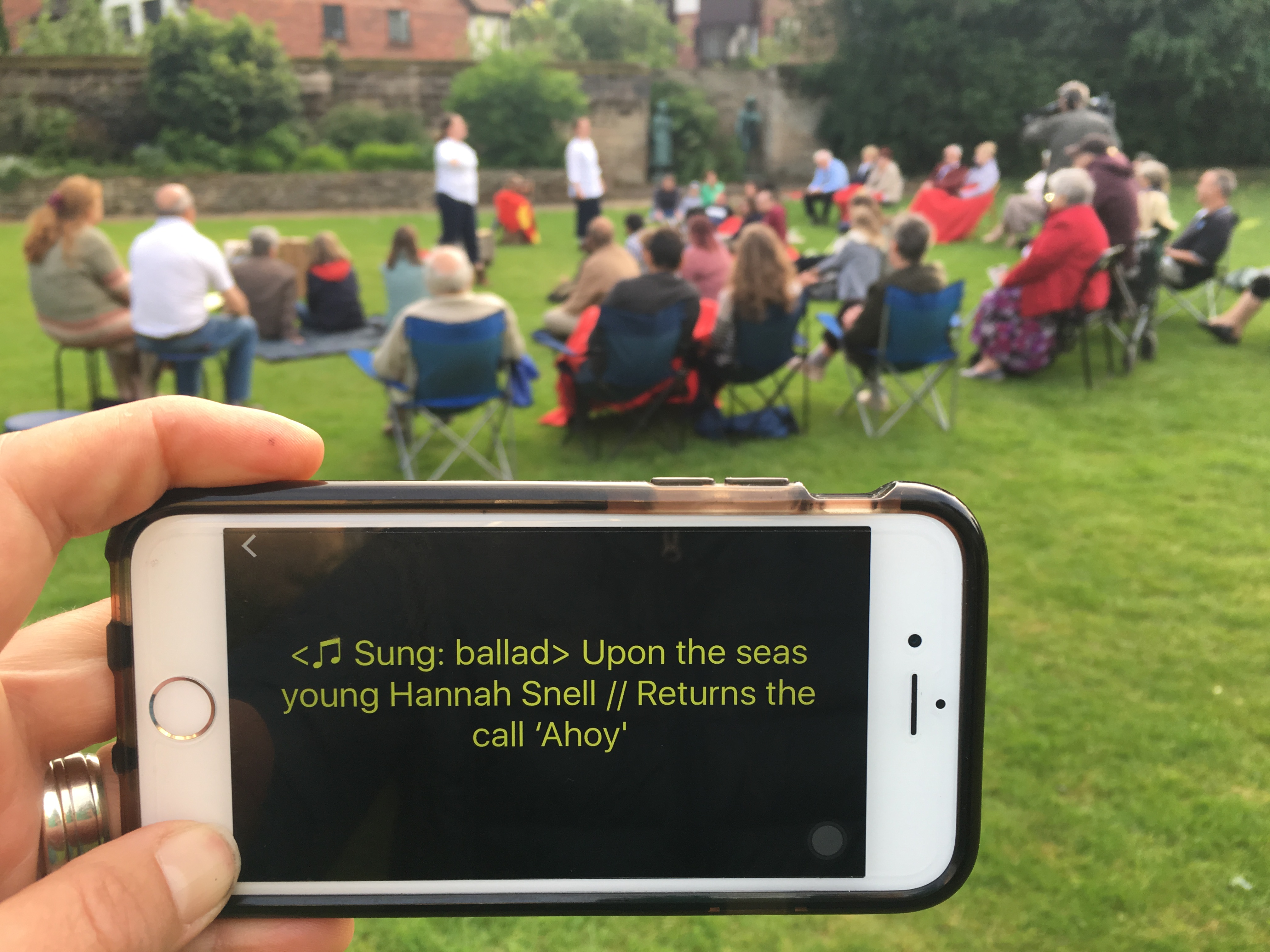
[PRESS RELEASE] Coventry theatre company Talking Birds has been shortlisted in the prestigious Stage Awards 2019. The company is a finalist in the Innovation category for its mobile access tool, The Difference Engine, which allows D/deaf and hard of hearing audiences to access captions/subtitles, via their mobile devices, for performances that would otherwise be inaccessible to them.
Continue readingCould you help us fly? Board Members and Special Advisors wanted [find out more at our TBs social]…
Talking Birds is looking to expand its dynamic Board, to help steer the company’s exciting flight towards Coventry’s tenure as UK City of Culture 2021; to support the development of new premises The Nest; and help take our digital access tool The Difference Engine to the next level.
We are looking for people who are passionate about the things we are: audiences and accessibility, environmental sustainability, artist development – and Coventry. We are particularly looking for people with expertise in property law and building development, finance, fierce advocates for D/deaf and disabled artists and audiences [particularly in relation to The Nest], and people with experience of business modeling for software/Apps/digital distribution [in relation to The Difference Engine]. We want our board to be as diverse as the city we live and work in.
The role is voluntary and involves 4 meetings PA (usually a weekday 12-2pm or thereabouts; we can Skype you in if that’s easier!) plus an Away Day and individual consultation where appropriate.
We are also looking for Special Advisors who have some of the specific skills above, who may not be able to commit to Board membership but who are willing to offer advice/support on a more informal basis.

If you would like to find out more, please come to our Meet Talking Birds Social on Thursday 22 November anytime between 12-2pm (short presentation about the company’s work at 12.15 & 1.15) Floor 4, Eaton House, 1 Eaton Road, Coventry CV1 2FJ (vegan/veggie buffet lunch provided)
Please RSVP to access@talkingbirds.co.uk or via Facebook
If you can’t make that date/time but would like to know more, please e-mail or call 07708 262 182 to arrange an informal conversation.
Twitter/Instagram: @birdmail
Wednesday Recommendations: Wilding, Doughnuts & Eating with Strangers
It’s been a while since there’s been a moment or two free to write a #WednesdayRecommendations post but, it’s Wednesday and I’ve got 10 minutes so here goes:
READ: ‘Doughnut Economics’ by Kate Raworth. I got hold of this after listening to the author on the ‘Reasons to be Cheerful‘ podcast, and I’m so glad I did! This is one of those books that totally changes the way you see the world – causing you to totally re-examine everything you think you know about the way things are done, or have been done – and why. It challenges our modern understanding of ‘growth’ and how we measure value – and is therefore much wider ranging than just economics. Laying out a compelling vision of how things could be (and need to be) done differently – the book is full of hope and practical steps for how humanity can re-organise to truly prosper, whilst re-generating our ravaged planet.
READ: ‘Wilding’ by Isabella Tree tells the story of her family’s decision to end the loss-making intensive agriculture farming business they inherited at Knepp on the South Weald. The book charts their incredible 20 year journey of discovery as they stopped ‘conventional’ farming, and gradually allowed (and prompted) nature to re-colonise and essentially heal the land. In common with ‘Doughnut Economics’, this book turns accepted views, and ways of doing things, upside down. I’m particularly struck by the way that this has been written as a summation of 20 years of quiet observation, and how that observation leads to a far deeper understanding, which in turn leads to (eg) the radical suggestions that the early British ‘wildwood’ must have been closer to wood pasture than forest; and that our understanding about the preferred habitats of many wild species are based on where they were able to survive when their really preferred habitats had been denied them by human activity.
LISTEN: The Food Programme ‘Eating With Strangers‘ which was broadcast last year, explores various examples of where strangers get together to eat – from Supper Clubs to Sikh Temples. It’s a fascinating programme on a number of levels, but particularly resonant for me, having recently enjoyed the Curating Coventry Supper Club at The Pod, the Stories on our Plate supper, and having linked up with the amazing Langar Aid during Spon Spun Festival. There’s lots of discussion about the connective potential of food but the clincher is probably “You can’t really hate someone you eat with.” Definitely worth a listen!
As always, let us know if you take us up on any of the recommendations – and what you make of them – and let us have your recommendations for reading and listening too. Cheers!

 Words from the Birds