“Thought provoking and engaging with a neat pay off.” [Audience Comment]

We had a fantastic time testing the new version of Capsule at the weekend and we are really pleased with how well it works!

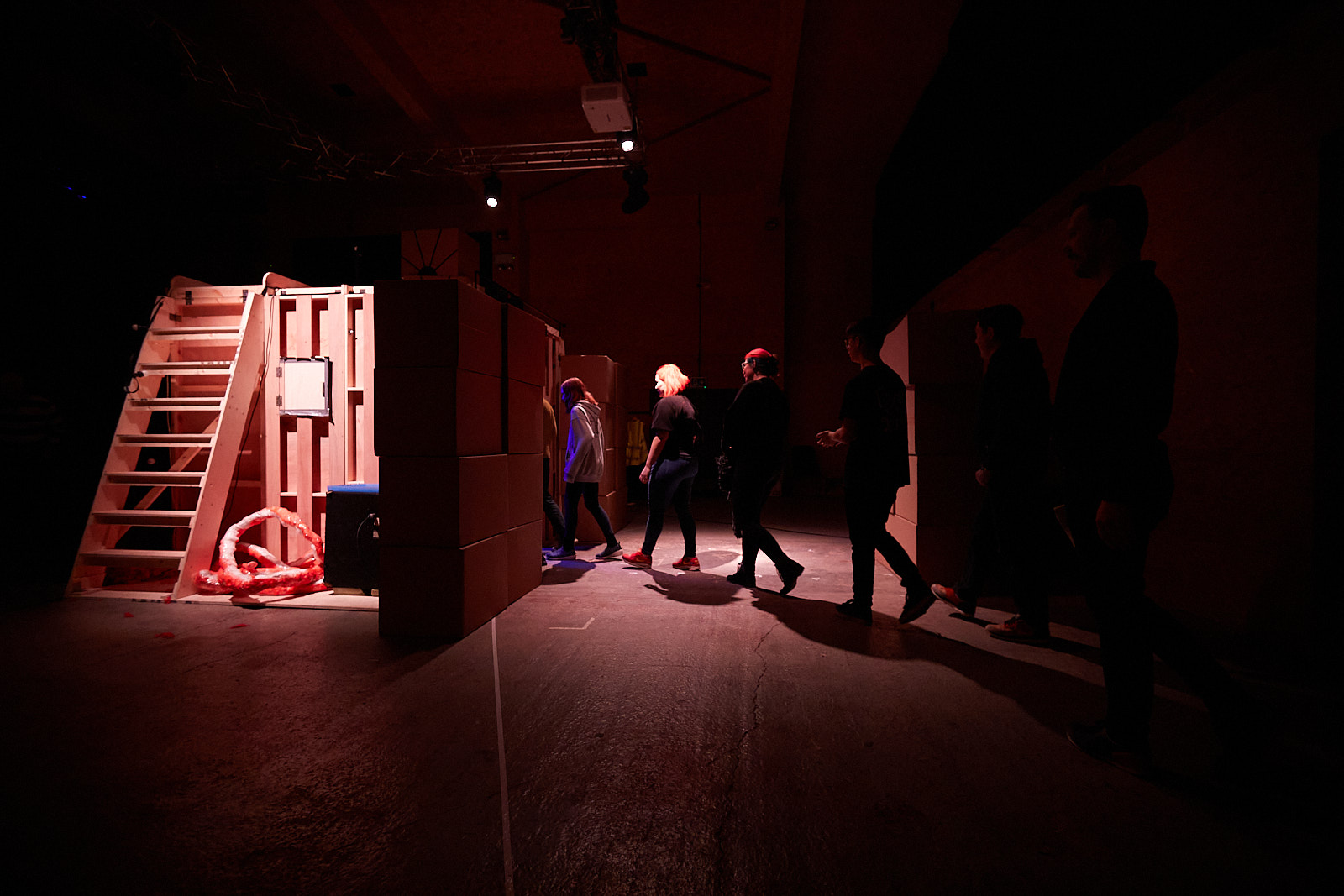
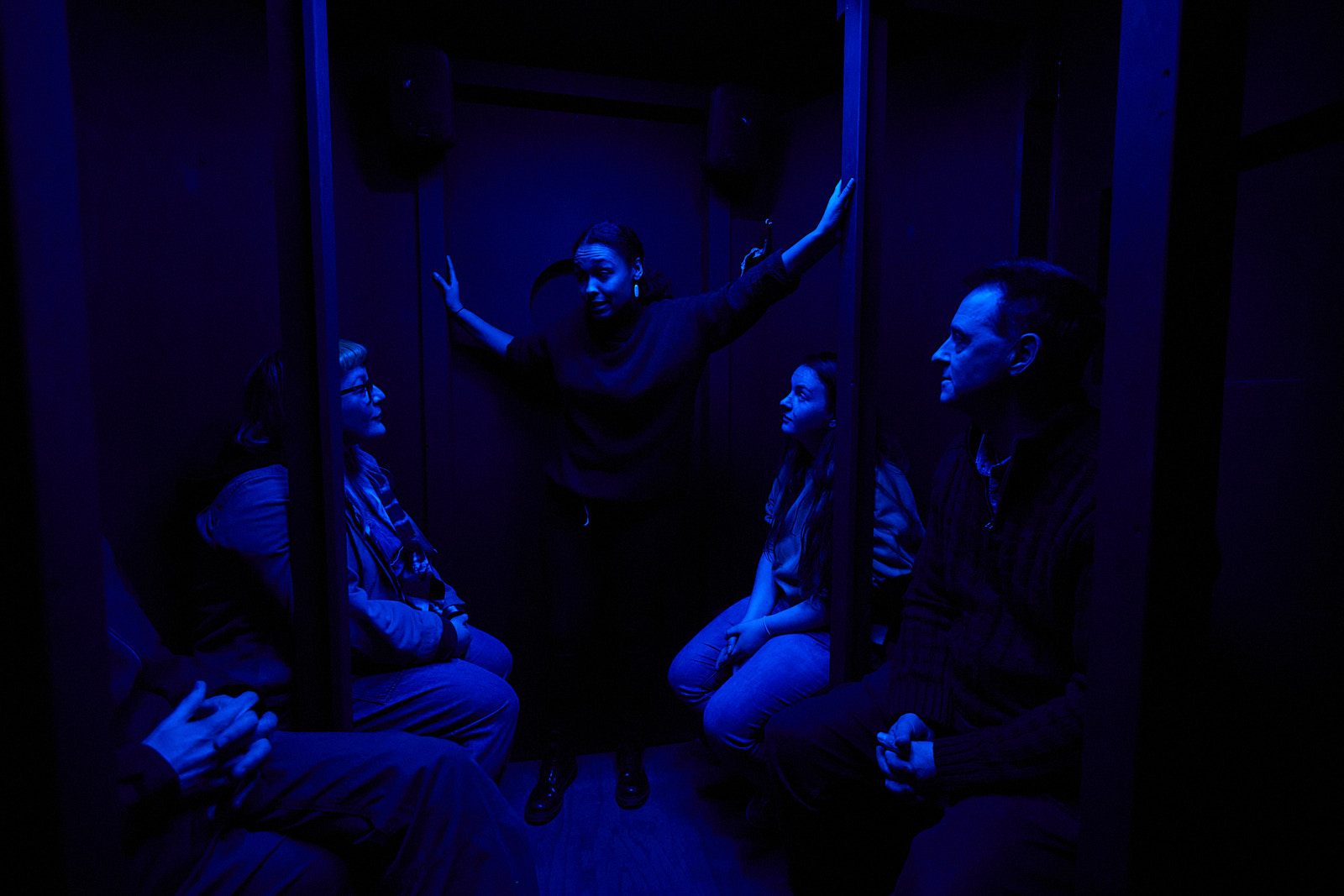
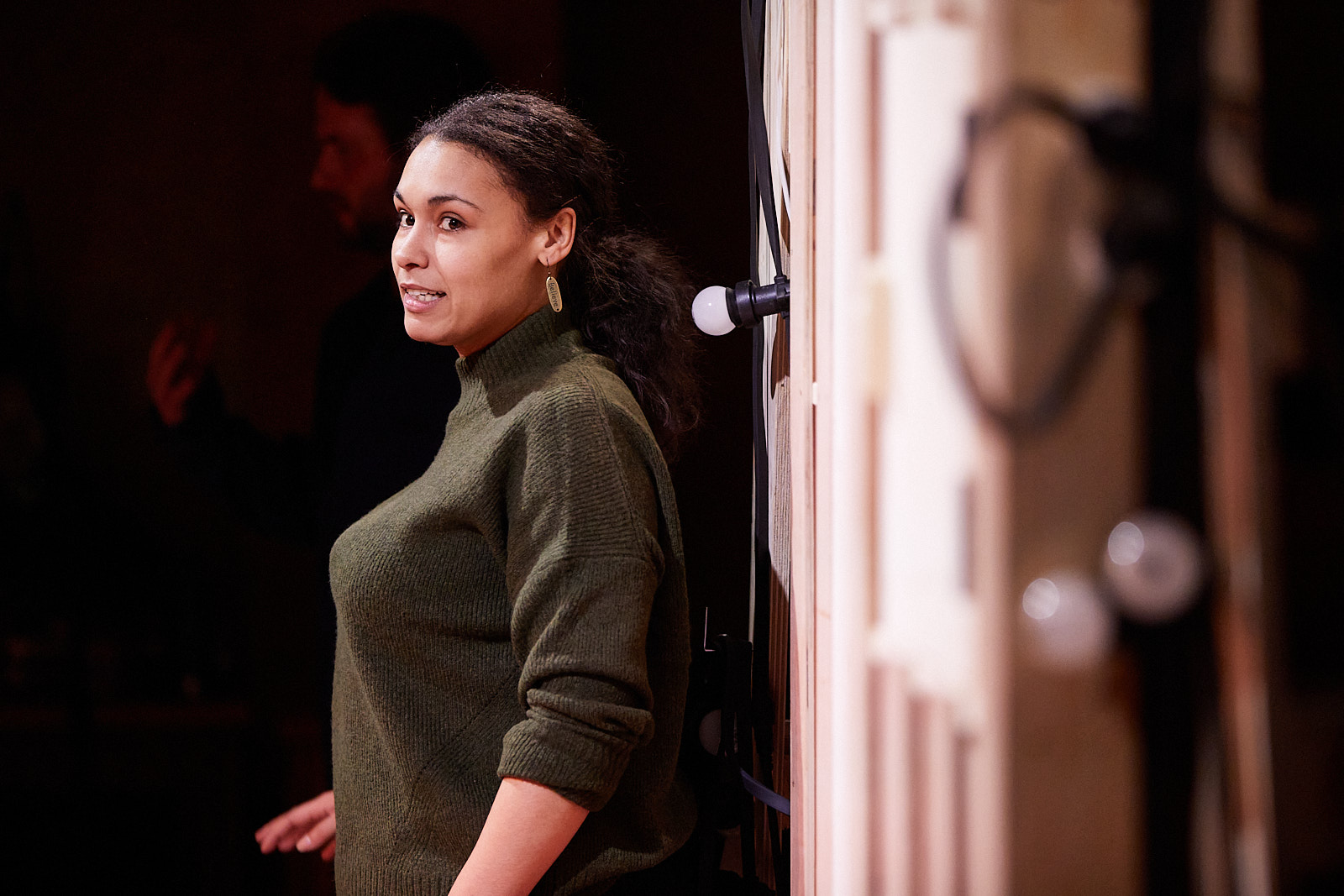
We can’t say too much for fear of spoiling it, but see below for some of the great feedback we received, as well as a couple of teaser pictures taken by Andy Moore. But where can you buy tickets? That’s easy… Right here! Public performances start are from this Saturday to Tuesday.

8933974E-84BD-4096-888D-83D870BC2C48

“Really impressed – it was fully immersive!”

AC6CB1D6-0243-4F82-8BF4-0B28CE149783

“Fantastic experience! A great way to spend an afternoon…”

ADF069D0-BC8E-459D-A52F-79632F2EA2C0

“A unique opportunity for audience.”

Capsule

What’s inside?

Capsule
The Box, FarGo Village, Coventry, CV1 5ED.

25th-28th January

Join us on an immersive, thrilling voyage over and under water where nothing is quite as it seems. You can expect music, an intimate story and, once you disembark, you’ll want to pass on all that you have learned.

Capsule is a unique experience for 6 people at a time, we’d love for you to be a part of it. See here for tickets and more info!

“A different kind of experience.”

Audiences for Capsule are capped at 6 people at a time, so make sure you get your tickets for your preferred time slot sooner rather than later to avoid disappointment! We can’t wait to share this experience with you, meet us inside… 

‘…a totally enclosed window for us to explore, experiment, and create exactly what we wanted…’

Ryan Leder of Theatre in Black reflects on their recent Nest Residency:

‘Loop’ was conceived between myself (Ryan Leder, playwright) and Helen Crevel (performer) on a week-long residency in ARC Stockton. At the time, we didn’t know what we wanted to make – we arrived with only ourselves, a loop station, and a copy of Duncan MacMillan’s ‘Every Brilliant Thing’. Originally, we thought we were exploring legacy, but by the middle of the week – we were talking about a subject we both felt much more personal about: loneliness.

This meant we were making a show for people who felt lonely. This meant we couldn’t expect audiences to come to us. We needed to make a show that reached our audience physically and with resonance. Walk in: Talking Birds.

Our introduction to Talking Birds was one of those wonderful accidents – I was taking part in China Plates’ Optimists scheme where Talking Birds were a guest speaker. As they spoke about non-conventional spaces and reaching audiences, I felt like the stars had aligned. I only approached them to ask for some advice, but was instead encouraged to apply for the Nest Residency. We did, it was successful, and suddenly the whole project seemed considerably more achievable.

Our residency took the form of: a week-long research and development in Theatre Absolute’s Shop Front Theatre in Coventry: a financial contribution to help with the costs of that week: access to the difference engine for ‘Loop’s tour this November/December.

For those of you unaware, Shop Front Theatre is exactly as it says – a converted shopfront in a shopping centre, now one of the most exciting and unique theatre spaces in the Midlands. The team and I personally dubbed it “the perfect place for research and development, the worst place for rehearsals” – because being there didn’t feel like work.

There was no pressure, no outside eye asking us to justify our time – we were in a safe and supportive space that we were allowed to temporarily make our own. We were literally given a key – and thus offered absolutely flexibility to work exactly how we felt necessary for the process. It was a joy to travel to that space each day – and some of the best work of my career so far took place with the city centre right outside the theatres window walls.

The financial contribution was the addition that made it feel as though the whole thing was too good to be true. So often at these emerging stages space and support can feel like all you deserve, but Talking Birds recognised the time and risk involved – and offered to take it off our hands. Suddenly the space they’d provided became not only a physical one, but one in time – a totally enclosed window for us to explore, experiment, and create exactly what we wanted for the betterment of our audience.

At time of writing, we are a few weeks away from rehearsals for ‘Loop’, and Talking Birds’ support has been integral. The show has grown and evolved in ways that we couldn’t have anticipated 2 months ago, yet alone one year, and we now feel like we have something that can truly achieve our aim of reaching audiences, physically and with resonance.

Thank you to Talking Birds.

If you’re interested seeing our show, we’ll be performing at:
The Core at Corby Cube, Nov 22nd
ARC Stockton, Nov 27th
Mansfield Old Library, Nov 28th
Arena Theatre, Nov 29th
Forest Arts Centre, Dec 3rd
Attenborough Arts Centre, Dec 5th

Ryan Leder, Theatre in Black

A Space To Hatch

Sinéad Brady reflects on her Nest Residency:

I’m a Coventry born actor and writer. I moved back to Coventry last Autumn after graduating from Institute of the Arts Barcelona with an MA Acting, where I co-founded international theatre collective Rule of Three Collective, made up of Irish, German and British theatre makers. We co-wrote the show FREE EU ROAMING, which premiered at the Dublin Fringe Festival 2018. Between leaving for university and now I’ve lived in Bristol, Barcelona, San Sebastián, Madrid and Dublin. My writing is usually a response to social injustices and societal pressures that impact the people I meet in the different cities I’ve lived in. I’m passionate about the use of language in theatre and deconstructing dominant narratives. I feel compelled to tell the stories of people who suffer due to political, historical and sociological injustices, which are often too difficult for an individual to resolve on their own.

When I moved home to Coventry Talking Birds were recommended to me by several local artists as an innovative, exciting theatre company engaged in supporting the work of local artists. When I applied to The Nest Residency, I hoped that Talking Birds would help me think about my project in visually and aurally interesting and accessible ways. I also needed space, time, support and a sounding board to work on an idea that I had been thinking about for a long time, but was unable to focus enough, or even believe in enough, while working on my own at home. A space to ‘hatch’ an idea sounded perfect and I felt reassured that with the support of Talking Birds and the wonderful opportunity of working at the Shop Front Theatre, I would make progress with my project.

On the first day of my residency I arrived at the Shop Front Theatre with notebooks, post-its and a new pencil case – I was very excited to be on my own in a black box. The Shop Front Theatre is such an intriguing space full of plays and books to read and plenty of chairs and sofas to try out, but in attempt to focus, I stuck to one corner. I thought that maybe in such a big space I would jump around too much, in my work and literally (I did bring a yoga mat) but the space was very calming. I was familiar with the Shop Front Theatre through performing at Shoot Festival in 2016, attending a Writing Gym earlier this year, and having seen many performances there, most recently Are We Where We Are. It was really useful to work in a space where I had seen performances – I found that inspiring when it came to imagining my own idea being staged and it also helped me keep the audience in mind.

I knew I wanted to create a piece of theatre exploring pressures around body image, delving deep into the language of ‘self-talk’ and the emphasis on self-care as a way of improving our internal and external worlds. I particularly wanted to focus on the competitive nature of striving to become the best version of ourselves. I had imagined creating a piece of audio that would pull an audience off track, ask them to forget about routine and consistency, to stop trying to improve themselves, to ask the questions: what does it really mean to be the best version of ourselves? How in control are we as individuals of who we are? Personally, I’m tired of being told by the media and social media that I could be working harder physically and mentally. I’m tired of being told anything is possible for everyone because, let’s face it, it’s not. I’m scared that the more we look inwards for the answers, the more we forget about the power of working together.

After three days of creating characters and plotting on post-its, I had a mentoring session with Co-Artistic Director and Composer Derek Nisbet. Derek provided invaluable feedback on my idea. We talked about different ways of recording and staging the performance. I was particularly interested in using the format of audio as a way of disconnecting from familiar, potentially addictive, images to create an intimate conversation with the audience. As I was experimenting with the idea of a character in transit, neither here nor there, it was fascinating to explore ways of using sound to show the presence and absence of people and goals. I also found it a brilliant opportunity to ask questions about how to create accessible performances, which led me to consider incorporating visual elements to the piece.
The Nest Residency was a stimulating creative experience, which I’m very grateful for. It filled me with the confidence to trust my ideas and I made great progress in a short space of time. I will continue working on the project and really look forward to sharing my developments with Talking Birds.

If you are an artist interested in applying for one of Talking Birds’ Nest Residencies, you can find out more here.

Cinematica: Artist Rosa Francesca reflects on her Nest Residency visualising brain data.

Artist Rosa Francesca reflects on her Nest Residency:

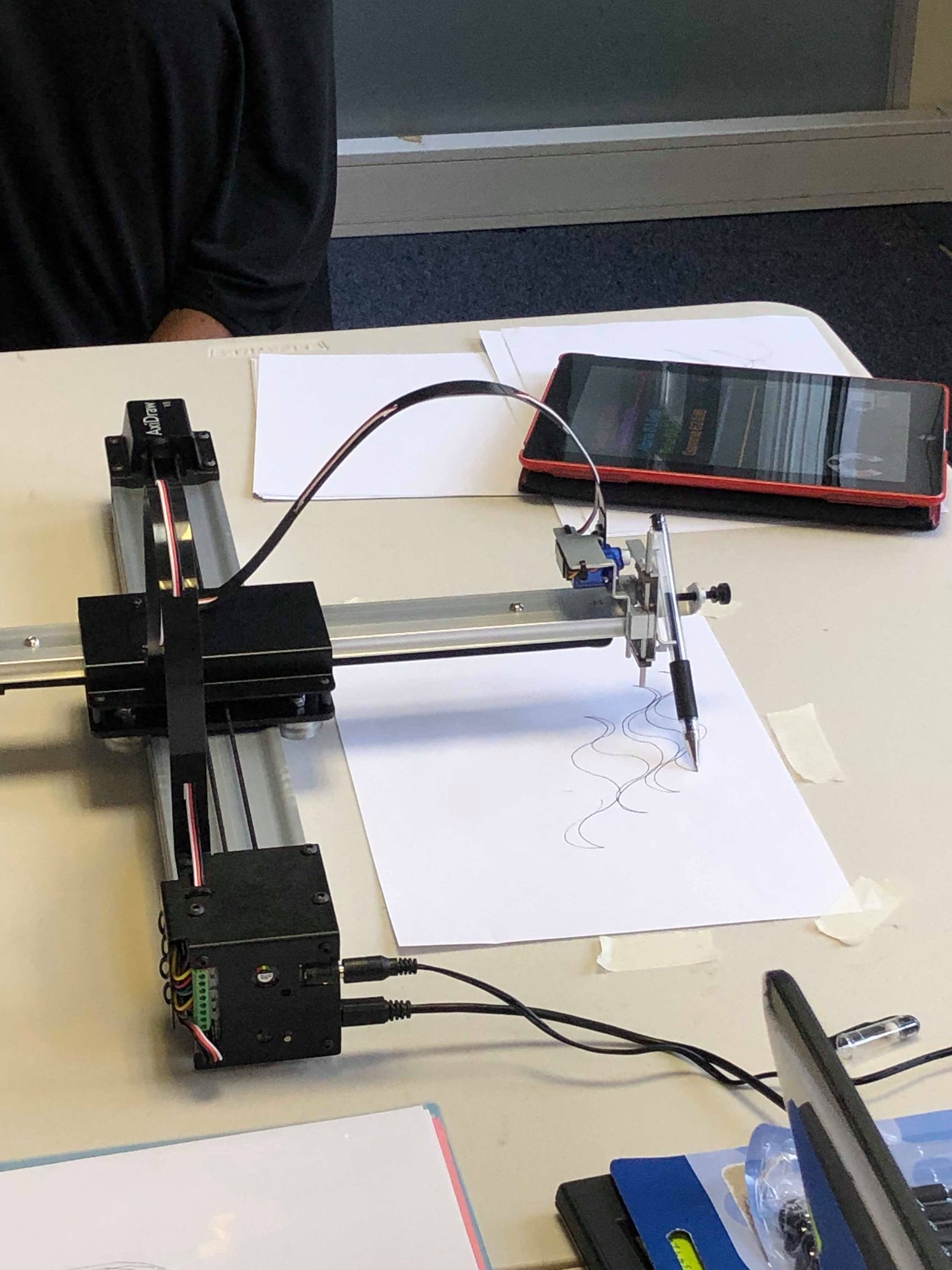
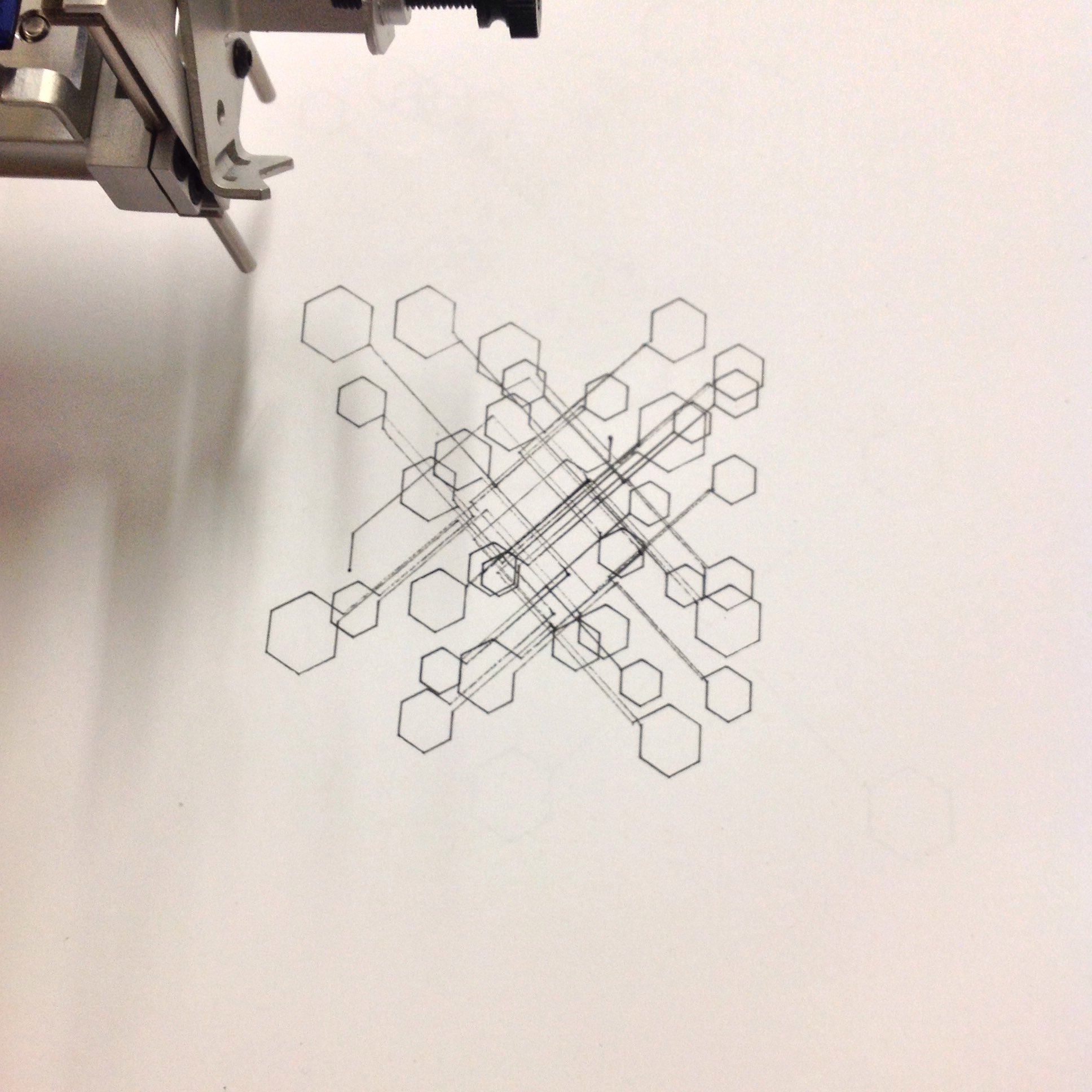
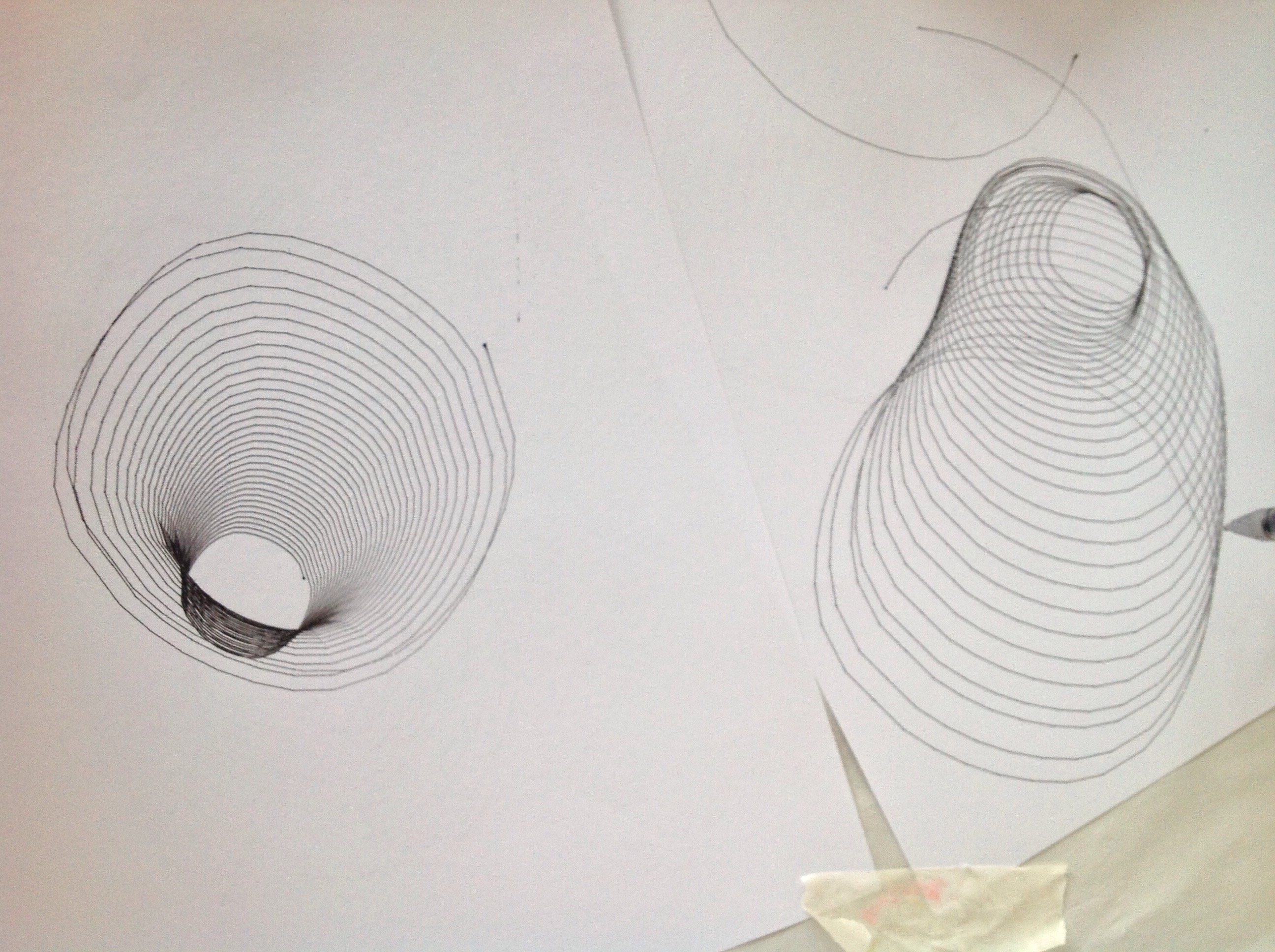
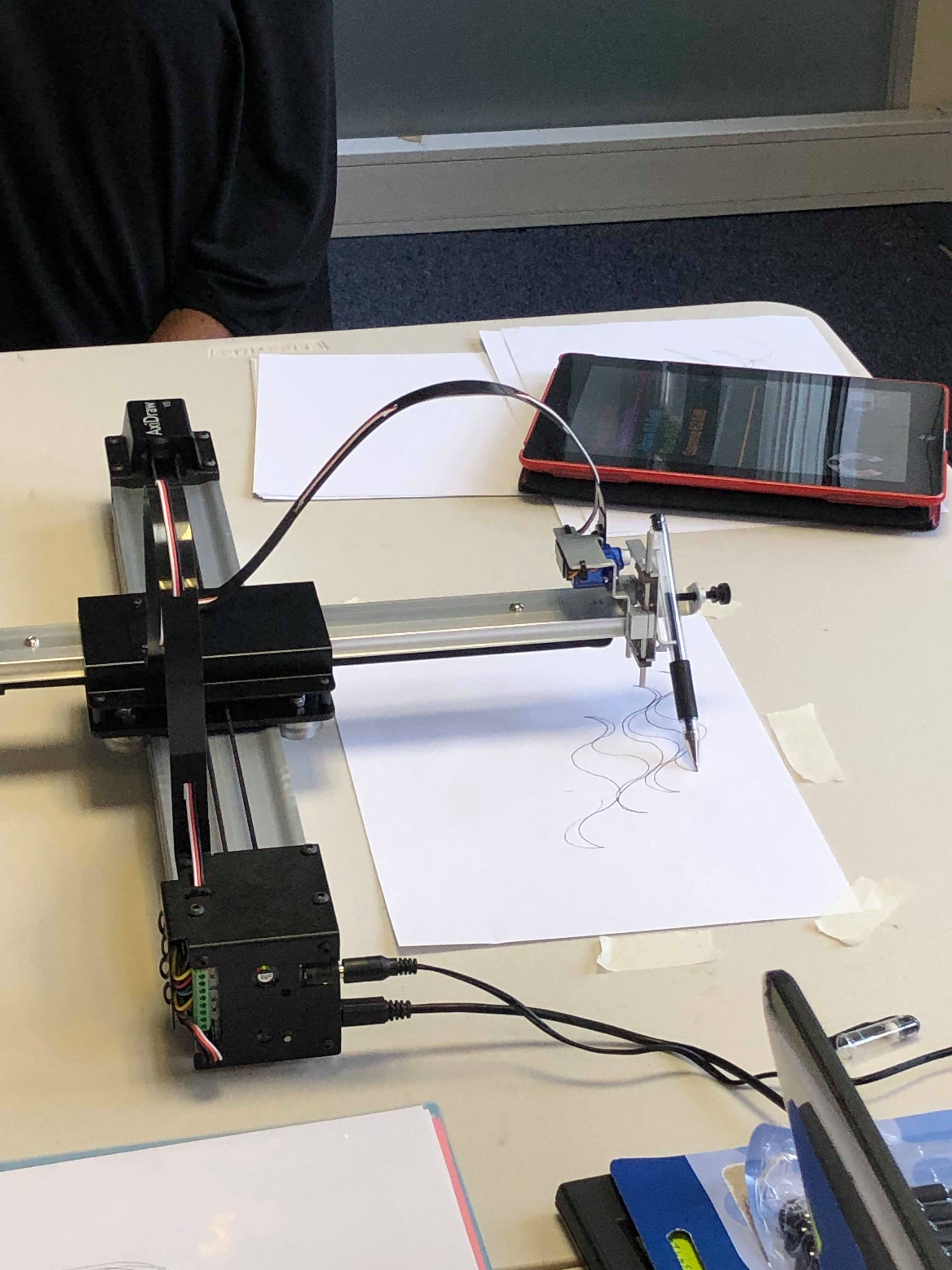
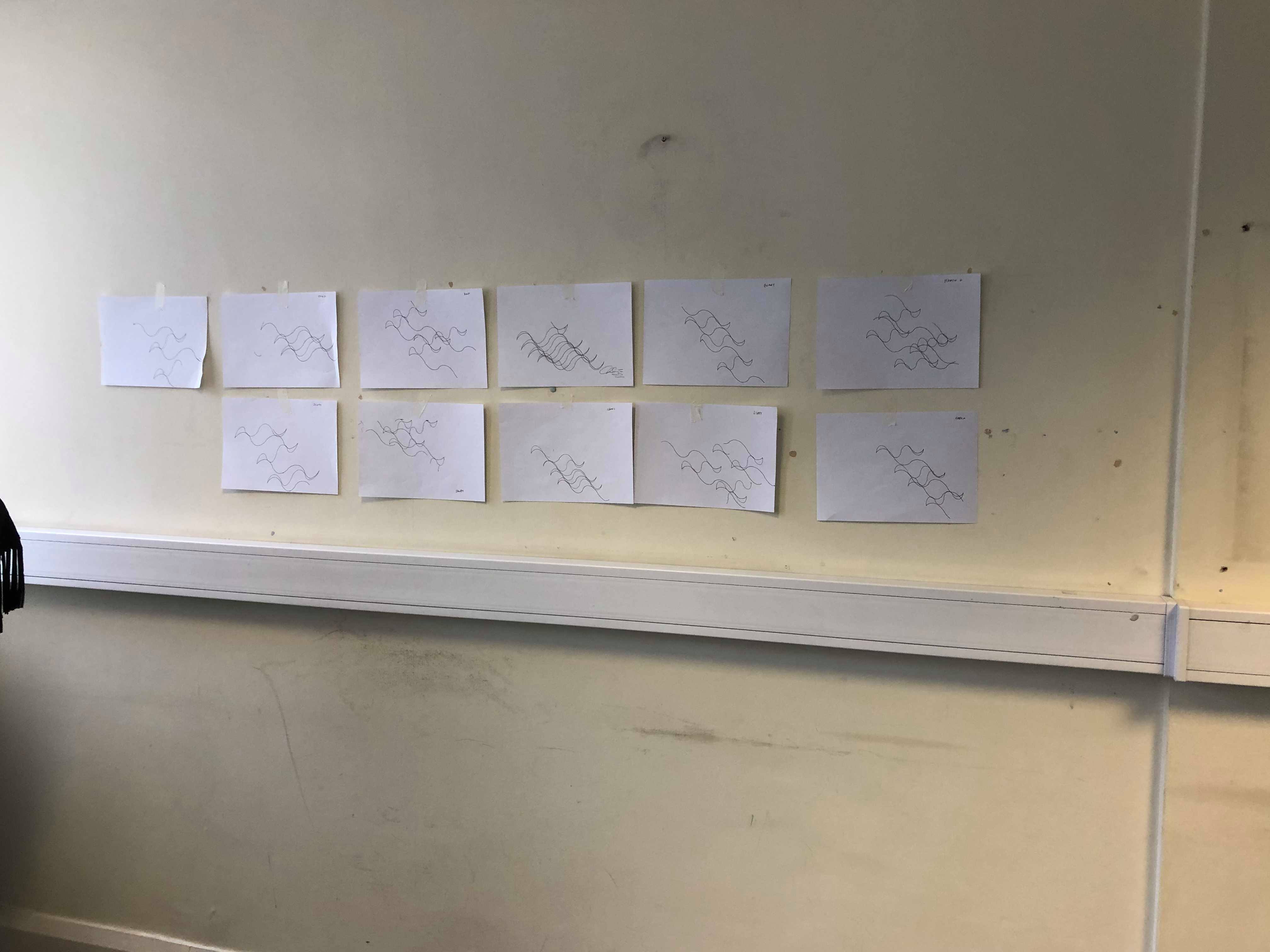
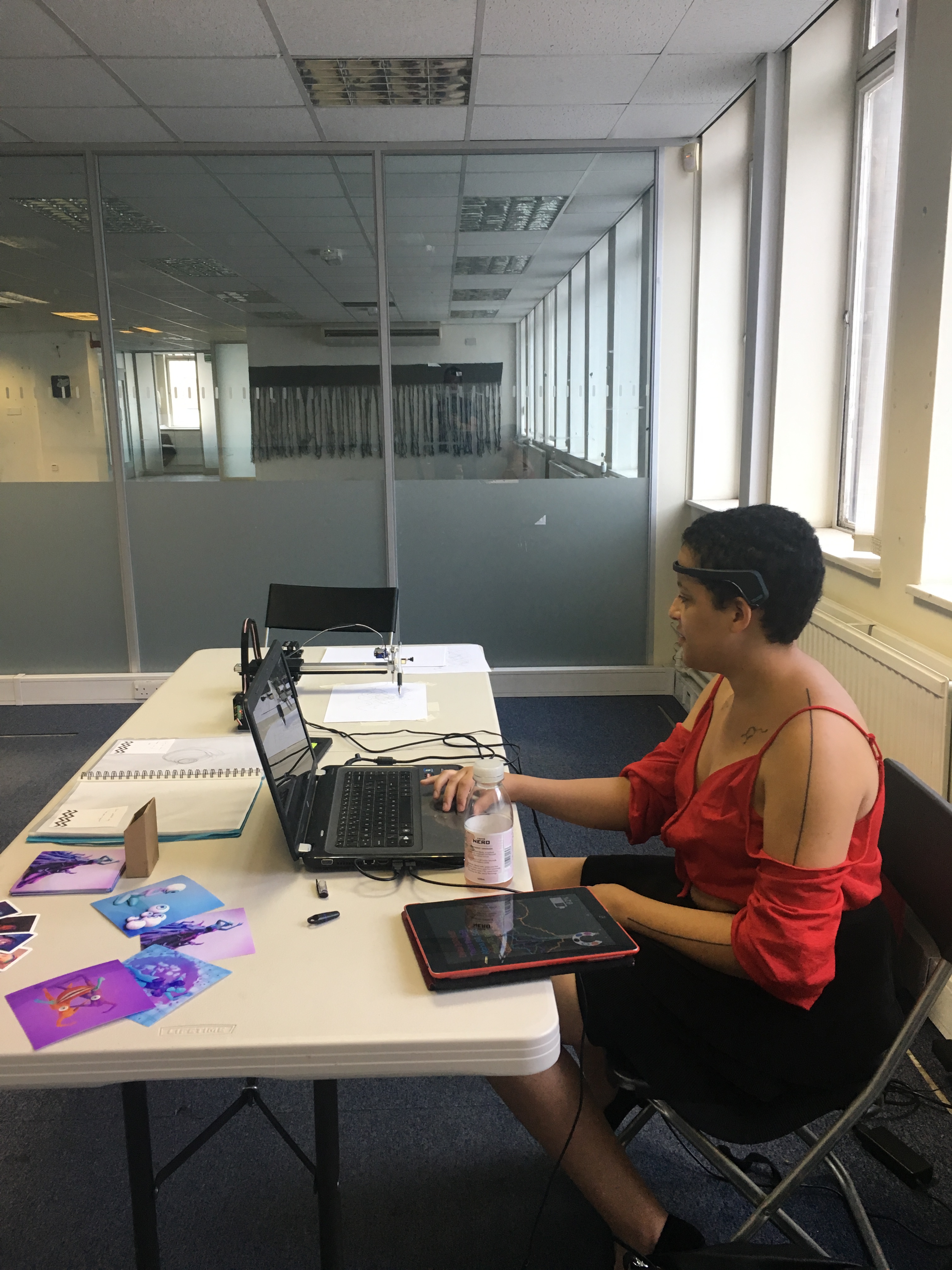
Cinematica is a digital art project using an EEG monitor in conjunction with an XY pen plotter to create visual art. The participant is invited to wear the EEG headset and their brain data will then be sent to the plotter giving it directions in which to draw, producing in the end a ‘mind-controlled’ drawing. This project was developed during a Nest Residency supported by Talking Birds.

I began my residency at the start of June 2019, and I had applied to Talking Birds in particular after hearing about them through the Coventry Biennial open call. I was particularly impressed with their commitment to accessibility, working with disabled artists, and creating environmentally conscious work. I felt that their views aligned with my own, and in particular related to the aims of my work.

3Dspirals

I first had the idea for Cinematica after being diagnosed with Tourette Syndrome at the start of 2018. I had suffered from motor tics and a few vocal tics for most of my life, and waited until adulthood to seek diagnosis. Although it no longer affects me as harshly as it did during my teenage years, I am a member of an online community for adults with Tourette Syndrome and can see the debilitating effects on others less fortunate than myself. One man described how he was no longer able to make art because of his motor tics which rendered his hands to unsteady to hold a pen or a paintbrush. Other members suggested that he tried digital art, but he wanted the ability to create a physical drawing. I decided then and there to create a means of physical art creation without the necessity of fine motor skills.

I had recently purchased an EEG monitor for artistic purposes anyway, and thought it might be good to put it to good use alongside a plotter, which is a robot arm that draws with a pen and paper moving along an XY axis. Through my Nest Residency, I was able to get support to purchase a plotter and to learn to manually code it and figure out how to send data from the brain monitor to the plotter to create real life brain drawings.

hellocov_4

The residency was invaluable in that it provided me with the physical space to contain the machinery, but also gave me a space away from home where I was able to focus all of my attention on this project. Without time constraints and deadlines I was able to work freely without pressure, but the space still allowed me to stay motivated. Janet provided an incredibly useful sounding board, as did other studio holders in Eaton House where my residency was based. It was a wonderful opportunity to meet other local artists and connect with like-minded individuals, and I hope to stay in touch with some of them through the regular Artspace networking events.

hellocov_1

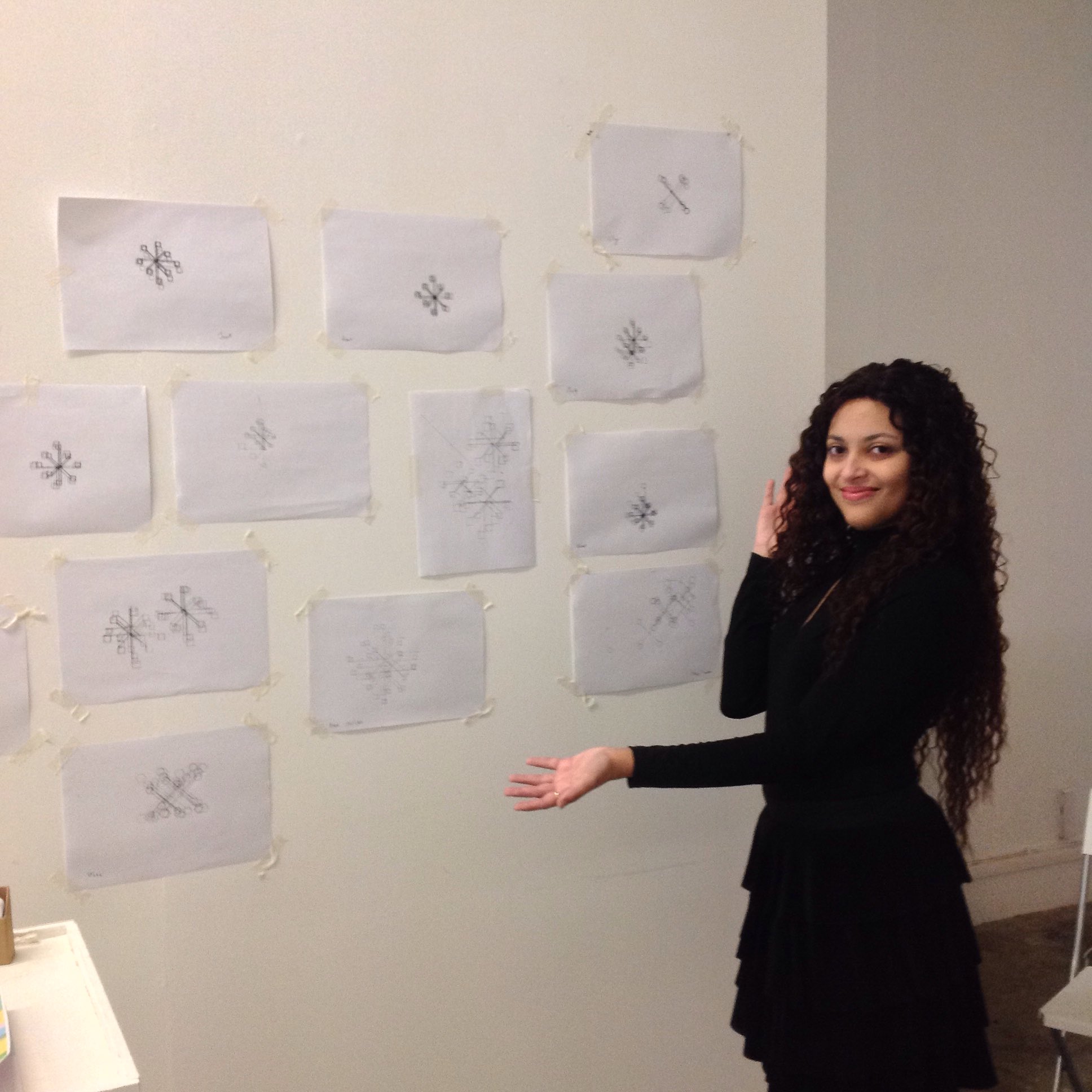
I was able to present a first draft of my project at the Hello Cov exhibition for Artspace studio holders at The Row in Coventry, and the response was overwhelmingly positive. Although at that point the drawings did not look particularly ‘pretty’, it was still fascinating to see how different people’s brains produced different drawings, and allowed me to build a portfolio to compare how the technology worked for different people in different states of mind.

Overall I am incredibly grateful for this residency. I feel that I have achieved more than expected in this project, and can now build on that knowledge even further.

IMG_7963

You can follow Rosa on Instagram @rosafrancesca.art

The importance of Space and Place: from Coventry to Volgograd

Guest Blog by Nest Resident Artist Sylvia Theuri, reflecting on her Nest Residency.

I began this residency with the aim of further developing my artwork, in particular a project which focused on engaging with Coventry’s twin cities. The twin city that I was concentrating on during the residency was Coventry’s first twin city; Volgograd. I wanted to create new work outside of my home environment and discuss ideas with other artists. I was especially interested in having discussions with Talking Birds as they had previously created a project around twin cities with their “Twin Story” project.

The residency gave me space to think, which is so vital in being able to create interesting and insightful artwork. I was also able to spread out in the studio space, rather than be confined to the dining room table, which often happened when I worked from home. It is interesting that my work is all about spaces, yet I often have limited space to actually create the work. 

IMG_6268The residency also gave me the opportunity to talk. I talked with both Janet and Derek about the city of Volgograd, and because they had both been there, they were able to help me to understand the city better. I talked to other artists based at Coventry Artspace, my temporary neighbours. The residency became somewhat of a “third place” for me, somewhere away from my home environment where I could come and feel connected.

At the end of the 9 weeks, I felt like my work had developed, but more importantly I felt that the way in which I thought about my work had developed more. This was because I had focused time to read, and question myself and my work. Looking back on this residency what I am most thankful for is the “space” I was given to come and think about and engage with ideas about space, ironically.

Photo credits: Volgograd Photos by Nastya Tol; Studio photos by TBs; Postcard washing line and works-in-progress by Sylvia Theuri.

Link to Sylvia’s project site

For more about Sylvia and her work, see her website [link to external site].

Visualising Volgograd

Nest Resident Sylvia Theuri has been visualising Volgograd, Coventry’s Russian twin city.

Last Autumn, as part of Spon Spun Festival, Sylvia sent a postcard of one of her digitally-created urban Coventry landscapes to a cafe in Volgograd.

This led to an online dialogue between Sylvia and the manager of the cafe – and then to this Nest Residency with Talking Birds, where Sylvia is spending time exploring the geography and environment of Volgograd remotely, using online photographs, maps – and making good use of Google Street View!

Here are a few photos of her studio and work in progress snapped earlier this week:

We’ve enjoyed having conversations with Sylvia about her practice and, in particular, her exploration of Volgograd – which has given us plenty of excuses to wallow in a bit of affectionate nostalgia around our visit there and our collaborations with artists in the city.

[Talking Birds has a long association with Volgograd, which began with Twin60 (marking the 60th anniversary of the Coventry-Volgograd twinning); has involved visiting artists in Volgograd and bringing musician Slava Mishin and artist Fedor Ermalov over to Coventry in 2006 to play at The Tin and take part in an exhibition at the Herbert which twinned works by artists in the two cities; artists’ talks which played simultaneously in both cities with artists communicating via Skype; an exhibition (still in situ outside Coventry library) of work by children in both cities; and the world premiere of Twin Song composed for the Volgograd Children’s Symphony Orchestra and Coventry Youth Wind Orchestra, conducted by Yuri Ilynov, which premiered at Coventry Cathedral in 2014.]


GUEST BLOG: Contemporary visual artist Andy Sargent reflects on his month-long Nest Residency with Talking Birds.

Nest Residency No 1 by Andy Sargent – Contemporary visual artist.

As I write this, I am looking back on four weeks of a residency organised by the wonderful Talking Birds which ended on the 22nd March 2019, that took place at Eaton House in Coventry. The studio space was provided by Coventry Artspace, up on floor 11, which is I think, the highest place I have ever created work!

54800141_2295069170544789_5751540149460664320_o

I wanted to use this opportunity to further my ideas on a series of works called “Hidden monster”, which deals with the subject of sudden (and permanent) injury, the impact it has on one’s life, how one deals with having to adjust to it, other peoples perceptions of it, and so on. It deals with the isolation, pain, depression, vulnerability, and struggle that comes with disability. I use the motif of the “Hidden monster”, and through this character I can describe the issues I have faced, and still do, as I have first hand personal experience.

53609536_2271343556250684_2821285101013303296_o

This residency allowed me to expand my ideas, and as I don’t have a personal purpose built studio space, I jumped at the chance to take up this opportunity. Even though I struggle daily with mobility issues, I made sure that I could get into the residency as much as possible, to get full use of the studio space provided. From day one, I started creating lots of charcoal drawings, mapping out and moulding images that could be used for three dimensional and two dimensional works. These ideas then filtered into paintings on either board or canvas, small sculptures, and also two large banners or wall hangings. All these works dealt with a multitude of subjects to do with this over-arching subject of being “the monster”. Some of the work dealt with “who is the monster?”. I had been called a monster after my injury, however I see ignorance and hatred towards the disabled as far more monstrous, than someone who has found him/herself on what has been described to me in the past as “the scrapheap of society”. I cannot, nor could I, speak for all disabled people, however these works represent a collection of outpourings on a subject often swept under the proverbial carpet!

53164953_2271221616262878_7262043794860670976_o

During this residency, Talking Birds were busy contacting various people and organisations they saw as being interested in seeing this work and meeting me. I got to discuss the work, the issues depicted in it and life as an artist with physical limitations. Many ideas were discussed, ways and places to show the work, reactions to seeing this work, how the work could be presented in other forms etc. Certainly, from being an artist who lives on the outskirts of Nuneaton, away from the cultural centres in this country, the residency with Talking Birds provided me with a way to raise my profile, and be noticed by more people, getting the message out that my work exists. One aspect of becoming permanently injured in my case, is that you lose your career/job, and earning money becomes a major issue. So not only does physically getting out to meet people pose a huge problem, but you often can’t afford to go anywhere after you’ve paid your essential bills! So a major part of this residency was meeting other very creative people, and feeling, albeit temporarily, part of an artistic community.

53098717_2271244182927288_6700125801821503488_o

So, on reflection, this Nest Residency has been a fabulous four weeks in which to get work created, meet great folks, plan further ideas and opportunities. I would certainly recommend to any other artists who consider themselves disabled to apply for a Nest Residency. You never know what it may lead to!

(A huge thank you to Phillipa Cross, Janet Vaughan and Derek Nisbet from Taking Birds, and Mindy Chillery at Coventry Artspace for making this residency happen. Also many thanks to all the artists, arts organisations, and arts professionals who came to see my work during my residency)

Andy Sargent.

[Photo gallery pics by Talking Birds, Photos in the text by Andy Sargent]


The Nest Residencies are a key part of Talking Birds‘ Artistic Programme for 2018-22, funded as part of the company’s membership of Arts Council England’s National Portfolio, and aimed at D/deaf or disabled and/or Midlands-based artists. For information on how to apply for a Nest Residency, visit Talking Birds’ website.


Welcome to our first Nest Residents!

One day, (funding pending…) The Nest will be a real place. Until then, The Nest is wherever we can find a space to support our Nest Artists’ Residency Programme – and we’re really thrilled to announce that our first two artists have now taken up residence in studios at Eaton House (big thanks to Coventry Artspace for their help with this!).

Andy Sargent started last week and has already practically filled his studio with sketches, paintings and sculptures which are adding to his ‘Hidden Monster’ series exploring “the issues of loneliness, isolation, abandonment, negative reaction, pain, depression, physical instability, poverty, all created by sudden physical disability due to spinal injury.”

IMG_5220

Digital artist Sylvia Theuri started yesterday. She will be using the residency to continue her dialogue with Volgograd (begun through her postcards project) and to make some pieces that respond to the photographs and messages from the individual in Volgograd that received and responded to Sylvia’s Coventry postcard.

IMG_5357

We’re really looking forward to seeing how both artists’ works develop – and to the many interesting creative conversations we hope to have with them (without interrupting them *too* much!)

>> If you are a D/deaf or disabled and/or Midlands-based artist and are interested in applying for a Nest Residency, you can find all the details here.

Reading List

This is a round up of books included on our Wednesday Recommendations posts so far, let us know of anything else you think we should be reading!

No More Plastic by Martin Dorey – a short and very readable collection of achievable quick-win actions every single one of us can take to reduce the plastic in our lives (and therefore in the world), this book is also full of gently provocative prompts to consider lots of bigger ethical, social justice and sustainability issues. One of the great new-to-me examples of positive actions to join in with is Morsbags (a kind of craftivism billed as ‘Sociable Guerilla Bagging’) which involves keeping fabric out of landfill by making it into shopping bags which you gift to strangers, thus helping cut down the number of plastic bags needed. Genius.

Dear Ijeawele, or a Feminist Manifesto in Fifteen Suggestions by Chimamanda Ngozi Adichie is a pithily practical companion to her earlier book ‘We Should All Be Feminists’, based on her (highly entertaining) TED Talk of the same name. It’s a short, insightful and thought-provoking book, originally written as a letter to a friend who’d asked for advice on raising her baby girl a feminist. It also contains this lovely paragraph: “Teach her about difference. Make difference ordinary. Make difference normal. Teach her not to attach value to difference. And the reason for this is not to be fair or to be nice but merely to be human and practical. Because difference is the reality of our world. And by teaching her about difference, you are equipping her to survive in a diverse world. She must know and understand that people walk different paths in the world and that as long as these paths do no harm to others, they are valid paths that she must respect.”

‘Doughnut Economics’ by Kate Raworth. I got hold of this after listening to the author on the ‘Reasons to be Cheerful‘ podcast, and I’m so glad I did! This is one of those books that totally changes the way you see the world – causing you to totally re-examine everything you think you know about the way things are done, or have been done – and why. It challenges our modern understanding of ‘growth’ and how we measure value – and is therefore much wider ranging than just economics. Laying out a compelling vision of how things could be (and need to be) done differently – the book is full of hope and practical steps for how humanity can re-organise to truly prosper, whilst re-generating our ravaged planet.

‘Wilding’ by Isabella Tree tells the story of her family’s decision to end the loss-making intensive agriculture farming business they inherited at Knepp on the South Weald. The book charts their incredible 20 year journey of discovery as they stopped ‘conventional’ farming, and gradually allowed (and prompted) nature to re-colonise and essentially heal the land. In common with ‘Doughnut Economics’, this book turns accepted views, and ways of doing things, upside down. I’m particularly struck by the way that this has been written as a summation of 20 years of quiet observation, and how that observation leads to a far deeper understanding, which in turn leads to (eg) the radical suggestions that the early British ‘wildwood’ must have been closer to wood pasture than forest; and that our understanding about the preferred habitats of many wild species are based on where they were able to survive when their really preferred habitats had been denied them by human activity.

Other interesting and inspiring books that we’ve not had chance to write blogposts about include:

Hope in the Dark by Rebecca Solnit

Climate Justice by Mary Robinson

How to be a Craftivist by Sarah Corbett

Respectable by Lynsey Hanley

Poverty Safari by Darren McGarvey

Why I’m no longer talking to white people about race by Reni Eddo-Lodge

Brit(ish) by Afua Hirsch

White Fragility by Robin DiAngelo


Come & work with us!

We’re after someone friendly, sparky, practical & well-organised to join us in Coventry – to help support our theatre, access, community-building & green projects! Deadline Feb 12th. Could it be you?
Talking Birds is looking for a highly motivated part-time Administrator/Projects Assistant
to support its programme of work in the run up to Coventry’s tenure as UK City of Culture.
We’re looking for someone with excellent organisational and administrative skills and an interest in supporting artistic work.
We describe our work as Theatre of Place as it is often concerned with the connection between people and place, and it happens in unexpected locations, whether on the high street or in unusual sites. We are dedicated to making our work universally accessible and we have recently been recognised in The Stage Awards as a finalist in the Innovation category for our digital access tool The Difference Engine. We also strive to be green theatre-makers. We aim to make work that is environmentally sustainable, as well as being both inventive and accessible.
Talking Birds is a National Portfolio Organisation funded by Arts Council, England, and a not-for-profit organisation.
For full details of the job and the sort of person we think we are looking for, please download the full job pack here.
Screenshot 2019-01-24 12.53.11.png
To apply for this position, please complete the online application form at
We are committed to making our work as accessible as possible to everyone: if you have any specific access requirements or concerns, please let us know and we will do our best to meet your needs, including enabling alternative application methods.
Deadline for applications: 12th February 2019
Interviews: 25th/26th February 2019
Please spread the word!

Difference Engine up for national award!

[PRESS RELEASE] Coventry theatre company Talking Birds has been shortlisted in the prestigious Stage Awards 2019. The company is a finalist in the Innovation category for its mobile access tool, The Difference Engine, which allows D/deaf and hard of hearing audiences to access captions/subtitles, via their mobile devices, for performances that would otherwise be inaccessible to them.

Continue reading